Cybersecurity Unity: Collaborative Defense Tactics
Discover how global teamwork and innovative strategies are reshaping cybersecurity through shared intelligence and rapid response mechanisms.
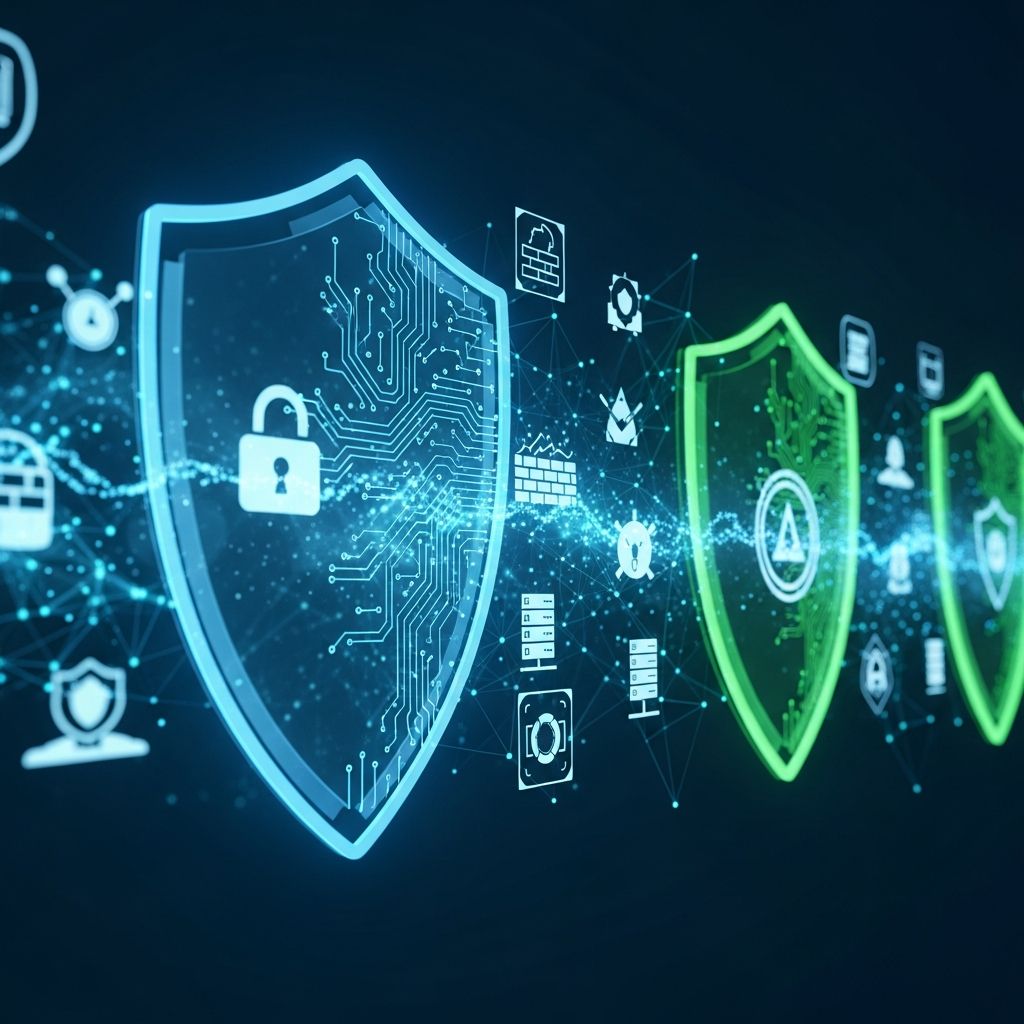
The digital landscape is under constant siege from sophisticated adversaries, making isolated defenses insufficient. In today’s interconnected world, cybersecurity demands a collective approach where organizations, governments, and individuals pool resources to identify, mitigate, and neutralize threats. This article delves into the transformative power of collaboration in cybersecurity, examining pivotal developments, coordinated responses, and future-oriented strategies that fortify our online infrastructure.
The Imperative of Shared Threat Intelligence
At the heart of effective cybersecurity lies shared threat intelligence—a mechanism where data on emerging dangers is exchanged rapidly among stakeholders. This practice allows for proactive defenses rather than reactive fixes. When one entity detects anomalous activity, disseminating that knowledge can prevent widespread exploitation.
Consider the role of Information Sharing and Analysis Centers (ISACs). These hubs facilitate real-time communication between sectors like finance, healthcare, and energy. By aggregating anonymized data, ISACs paint a comprehensive picture of attack vectors, enabling preemptive actions. For instance, during a surge in ransomware targeting critical infrastructure, ISACs have coordinated alerts that reduced infection rates by alerting members before attacks peaked.
- Benefits of ISACs: Faster detection times, reduced breach costs, and enhanced cross-sector resilience.
- Challenges: Balancing data privacy with sharing needs, often addressed through standardized protocols like STIX/TAXII.
Governments also play a crucial role. Initiatives like the U.S. Cybersecurity and Infrastructure Security Agency (CISA) exemplify this by publishing advisories that detail tactics, techniques, and procedures (TTPs) used by threat actors.1
Vulnerability Management Through Open Coordination
Vulnerabilities in software are inevitable, but their timely disclosure and patching define security outcomes. Coordinated Vulnerability Disclosure (CVD) programs have revolutionized this space by establishing structured dialogues between discoverers and vendors.
Unlike zero-day exploits that thrive in secrecy, CVD encourages responsible reporting. Platforms like the CERT Coordination Center act as intermediaries, giving vendors a grace period to develop patches before public alerts. This model has proven its worth in high-profile cases, such as the Log4Shell vulnerability in 2021, where global collaboration led to patches within days, averting catastrophe.
| Vulnerability Type | Disclosure Timeline | Impact Mitigation |
|---|---|---|
| Remote Code Execution | 72-96 hours | Patches deployed to 80% of systems |
| SQL Injection | 48 hours | Workarounds issued immediately |
| DDoS Amplification | 24 hours | Network filters activated globally |
Private sector involvement amplifies these efforts. Tech giants and startups alike participate in bug bounty programs, rewarding ethical hackers for uncovering flaws. This gamified approach not only uncovers issues but also builds a culture of transparency.
Real-World Examples of Joint Operations
Collaboration shines brightest in takedown operations against botnets and malware networks. One landmark effort involved dismantling a massive spam botnet through a consortium of law enforcement, ISPs, and cybersecurity firms. By synchronizing server seizures across jurisdictions, the operation disrupted operations for millions of infected devices.
Another example is the global response to state-sponsored espionage campaigns. When advanced persistent threats (APTs) targeted diplomatic entities, intelligence-sharing alliances like Five Eyes extended invitations to non-members, fostering unprecedented unity. These operations underscore the ‘origami’ precision required—each fold of effort aligning perfectly to collapse criminal infrastructures.
Non-governmental organizations contribute significantly too. Groups focused on internet standards advocate for secure-by-design protocols, influencing everything from TLS implementations to IoT security baselines.
Building Resilient Ecosystems: Policy and Standards
Beyond ad-hoc responses, long-term resilience requires robust policies. International frameworks like the Budapest Convention on Cybercrime provide legal scaffolding for cross-border cooperation.2 Domestically, regulations such as the EU’s NIS2 Directive mandate incident reporting and supply chain risk management, compelling entities to collaborate.
Standards bodies, including the Internet Engineering Task Force (IETF), develop protocols that embed security from the ground up. Their work on HTTP/3, for example, incorporates enhanced encryption to thwart man-in-the-middle attacks.
- Key Policy Pillars: Mandatory reporting, interoperability standards, and public-private partnerships.
- Emerging Trends: AI-driven threat prediction shared via blockchain-secured ledgers for tamper-proof intelligence.
Capacity building is equally vital. Training programs and simulations prepare teams for collaborative scenarios, ensuring that when crises hit, responses are seamless.
Challenges in Fostering Collaboration
Despite successes, hurdles persist. Trust deficits between competitors hinder information flow. Geopolitical tensions can fragment efforts, as seen in fragmented responses to supply chain attacks originating from certain regions.
Resource disparities affect smaller organizations, which often lack the bandwidth for participation. Solutions include tiered access to intelligence platforms and subsidized tools from industry leaders.
Moreover, the pace of technological evolution—think quantum computing threats to current encryption—demands agile collaboration models. Forward-thinking alliances are already exploring post-quantum cryptography through joint research consortia.3
The Road Ahead: Sustaining Momentum
Looking forward, cybersecurity collaboration must evolve into a perpetual motion machine. Initiatives like global cyber drills simulate multi-vector attacks, honing interdisciplinary skills. AI and machine learning will automate intelligence fusion, predicting outbreaks with unprecedented accuracy.
Public awareness campaigns can extend this unity to end-users, encouraging safe practices that reduce the attack surface. Ultimately, a ‘ballet of collaboration’—precise, synchronized, and elegant—will define the next era of digital defense.
Frequently Asked Questions (FAQs)
What is Coordinated Vulnerability Disclosure?
CVD is a process where security flaws are reported to vendors privately, allowing time for fixes before public disclosure, minimizing exploit risks.
Why is threat intelligence sharing critical?
It enables early warnings, collective defense, and faster incident resolution across ecosystems.
How do ISACs contribute to cybersecurity?
ISACs provide sector-specific threat data, fostering tailored responses and best practice sharing.
What role do governments play in cyber collaboration?
Governments issue advisories, enforce regulations, and lead international agreements for unified action.
Can small organizations participate in these efforts?
Yes, through accessible platforms, bug bounties, and free resources from larger coalitions.
References
- Cybersecurity Advisory Framework — CISA (Cybersecurity and Infrastructure Security Agency). 2023-10-15. https://www.cisa.gov/news-events/cybersecurity-advisories
- Council of Europe Convention on Cybercrime — Council of Europe. 2001-07-23 (last updated 2024). https://www.coe.int/en/web/conventions/full-list?module=treaty-detail&treatynum=185
- Post-Quantum Cryptography Standardization — NIST (National Institute of Standards and Technology). 2024-08-13. https://csrc.nist.gov/projects/post-quantum-cryptography
Similar Articles





Read full bio of Sneha Tete