Cybersecurity Lessons from India’s Banking Breach
How a massive ATM network breach in India reveals the critical need for cross-industry collaboration to combat cyber threats effectively.
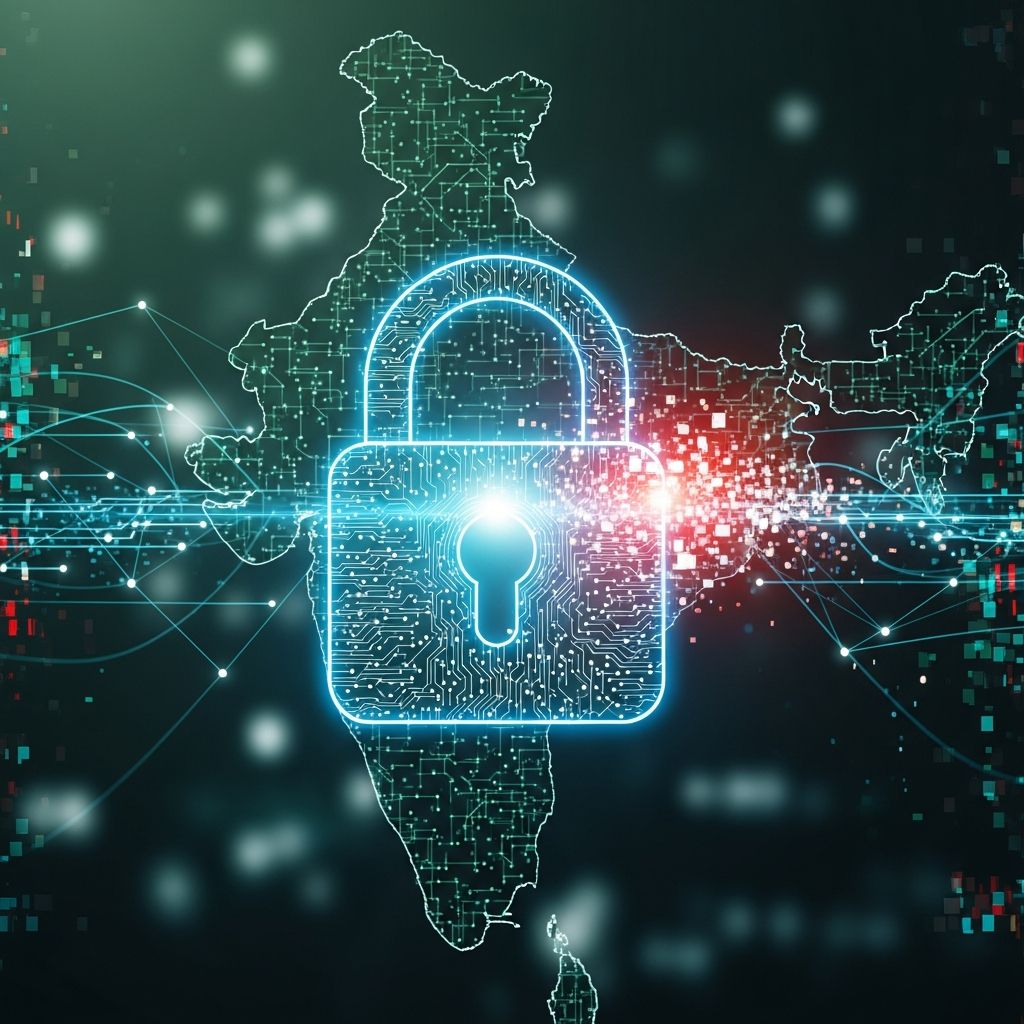
In late 2016, India’s financial landscape faced a significant shock when multiple banks disclosed a widespread data compromise involving their ATM network backend. This incident, which impacted millions of debit cards, highlighted vulnerabilities in shared infrastructure and the consequences of fragmented threat intelligence. While the breach was eventually contained, it served as a stark reminder that isolated responses to cyber incidents are insufficient in today’s interconnected digital ecosystem.
The Scope and Immediate Fallout of the Incident
The breach originated from a vulnerability in the software supporting a major ATM network, allowing unauthorized access to card data. Banks swiftly recalled affected cards, but not before fraudulent transactions proliferated. Customers reported unauthorized withdrawals and charges, leading to widespread panic and a temporary erosion of trust in digital banking services.
Financial losses mounted quickly, with estimates running into millions. More critically, the event disrupted daily transactions for countless users reliant on ATMs for cash access. Regulators stepped in, mandating enhanced monitoring, yet the damage underscored how a single point of failure in shared systems can cascade across an entire sector.
Why Early Detection Failed: Analyzing Systemic Shortcomings
At the heart of the delay was a government-backed Information Sharing and Analysis Center (ISAC) meant to aggregate and analyze threat data. Instead of identifying a pattern, individual fraud reports were treated as isolated events. Each compromised card triggered standard fraud protocols, but no one escalated them to indicate a coordinated cyber operation.
This siloed approach prevented the emergence of critical insights. Had anomalies been correlated—such as the volume, timing, and geographic spread of incidents—a proactive response could have been mounted weeks earlier. The lesson here is clear: cybersecurity demands holistic views, not fragmented reactions.
Key Factors Contributing to the Oversight
- Fragmented Reporting: Banks handled fraud independently, missing aggregate trends.
- Lack of Real-Time Analytics: ISAC lacked tools to process high-velocity data streams effectively.
- Reactive Mindset: Focus remained on post-incident recovery rather than predictive intelligence.
Proven Models of Successful Threat Intelligence Sharing
Contrast India’s experience with established frameworks elsewhere. Singapore’s Association of Banks (SAB) exemplifies effective collaboration, where members exchange anonymized threat data to preempt attacks. Similarly, the global Financial Services Information Sharing and Analysis Center (FS-ISAC) has thwarted numerous campaigns by disseminating timely alerts.
These groups succeed through trusted platforms, standardized data formats, and legal safeguards for sharing. Participation yields mutual benefits, as early warnings enable patching vulnerabilities before exploitation.
| Organization | Region | Key Features | Impact |
|---|---|---|---|
| FS-ISAC | Global | Real-time alerts, analytics | Prevented major breaches |
| SAB | Singapore | Member-exclusive feeds | Reduced incident severity |
| India ISAC (pre-2016) | India | Basic aggregation | Missed breach patterns |
Overcoming Barriers to Cross-Sector Collaboration
Despite successes, hurdles persist. Competitive concerns deter firms from revealing weaknesses, fearing loss of market edge. Regulatory ambiguities exacerbate this, as disclosure rules vary, creating compliance uncertainties.
Another challenge is the “not-in-my-backyard” attitude. Non-financial entities dismiss banking threats as irrelevant, ignoring shared attack vectors like phishing or malware. This complacency ignores how tactics evolve and cross industries rapidly.
Regulatory Mandates: A Path to Enforcement
Robust policies can bridge gaps. India’s Digital Personal Data Protection Act, 2023 (DPDP), imposes breach notification timelines, but enforcement lags. RBI’s Cyber Security Framework mandates incident reporting, yet lacks cross-sector integration.
Stricter rules, including penalties for non-sharing, could incentivize participation. International benchmarks like GDPR’s 72-hour disclosure provide models, adapted to local contexts.
Building Resilient Ecosystems Through Unified Efforts
Organizations must prioritize collaboration by joining or forming ISACs. Investing in secure platforms for anonymized data exchange is foundational. Regular simulations and joint exercises build muscle memory for coordinated responses.
Leadership commitment is vital—cybersecurity should sit at board level, with budgets reflecting strategic priority. Public-private partnerships amplify reach, leveraging government resources for national-scale defense.
Practical Steps for Implementation
- Assess current sharing maturity against global standards.
- Establish automated feeds for anomaly detection.
- Foster trust via legal agreements on data use.
- Conduct cross-industry workshops to align terminologies.
- Measure outcomes through reduced mean-time-to-detect metrics.
Recent Echoes: Ongoing Vulnerabilities in Indian Finance
The 2016 breach was no anomaly. RBI reported 248 incidents across banks from 2020-2024, with attacks surging 15% yearly. A 2025 ransomware wave hit 300 cooperative banks, exposing softer defenses.
These events reinforce collaboration’s urgency. Nupay’s exposure of 273,000 documents highlights persistent third-party risks. Only unified intelligence can outpace adversaries’ adaptability.
Global Perspectives: Learning from International Incidents
India’s case mirrors global patterns. The 2016 SWIFT Bangladesh heist evaded detection via poor inter-bank communication. U.S. SolarWinds supply-chain attack spread undetected due to siloed intel.
Yet successes abound. Europe’s ENISA coordinates threat sharing, minimizing impacts. Adopting hybrid models—centralized hubs with decentralized nodes—offers scalable solutions.
FAQs: Addressing Common Concerns
What caused the 2016 Indian ATM breach?
A backend software vulnerability in the ATM network allowed data skimming, compounded by undetected fraud patterns.
How can businesses outside banking benefit from sharing?
Threat actors reuse tactics; early alerts protect all sectors from phishing, ransomware, and more.
Are there legal risks in sharing threat data?
Frameworks like DPDP anonymize data, with safe harbors for good-faith disclosures.
What role does technology play in collaboration?
AI-driven platforms enable real-time analysis while preserving privacy through encryption.
The Imperative for Collective Defense
Cyber threats transcend borders and sectors, demanding collective vigilance. India’s banking breach illustrates that solo defenses falter against networked foes. By embracing information sharing, enforcing regulations, and cultivating empathy across industries, organizations can transform vulnerabilities into strengths. The cost of inaction—financial, reputational, societal—far exceeds collaboration’s demands. Forward-thinking leaders will lead this shift, safeguarding not just their assets but the digital economy’s fabric.
References
- Digital Personal Data Protection Act, 2023 — Government of India. 2023-08-11. https://www.meity.gov.in/writereaddata/files/Digital%20Personal%20Data%20Protection%20Act%202023.pdf
- Cyber Security Framework for Banks — Reserve Bank of India. 2016-06-02 (updated 2023). https://www.rbi.org.in/Scripts/NotificationUser.aspx?Id=10648&Mode=0
- Data Breaches in India’s Banking Sector in 2025: A Comprehensive Analysis — Cyber Law Consulting (analytical summary of RBI data). 2025-01-15. https://www.cyberlawconsulting.com/Data_Breaches_in_India_Banking_Sector_in_2025_A_Comprehensive_Analysis.php
- Master Direction on IT Governance, Risk, Controls, and Assurance — Reserve Bank of India. 2023-04-28. https://www.rbi.org.in/Scripts/BS_ViewMasDirections.aspx?id=12483
Similar Articles








Read full bio of Sneha Tete