Cyber Diplomacy and Tech Collide at IETF
Bridging global policy, infosec expertise, and internet standards at pivotal IETF event.
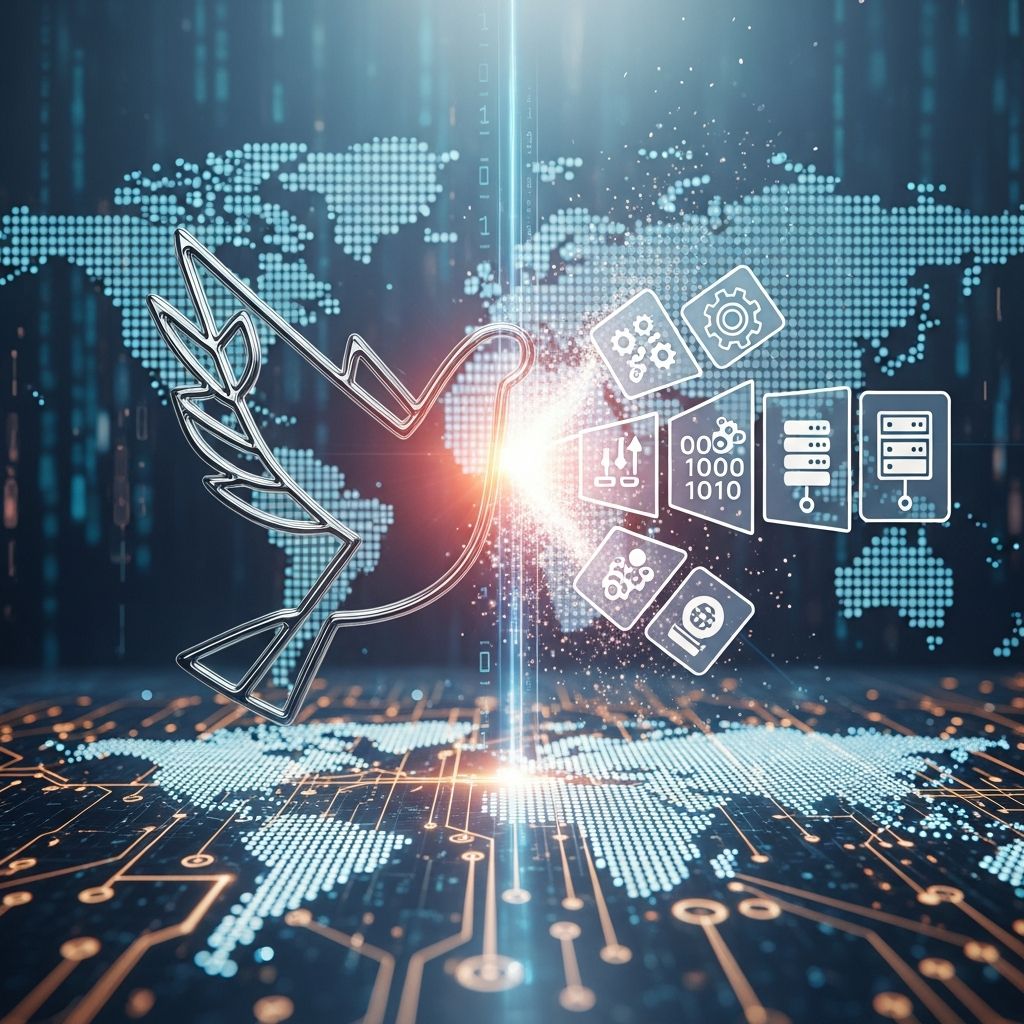
The digital realm has become a battleground for nations, corporations, and innovators, where the lines between policy, security, and technical standards blur. Events like those hosted alongside the Internet Engineering Task Force (IETF) meetings serve as critical junctions for dialogue. These gatherings bring together diplomats crafting international norms, cybersecurity experts defending networks, and engineers building the internet’s backbone. This article delves into the significance of such intersections, drawing inspiration from pivotal 2018 discussions that continue to resonate in today’s cyber landscape.
The Evolving Landscape of Cyberspace Governance
Cyberspace stability hinges on collaborative efforts across diverse sectors. Governments seek to establish rules of engagement to prevent escalatory cyber conflicts, while technologists prioritize resilient protocols. The Global Commission on the Stability of Cyberspace (GCSC), a multi-stakeholder initiative, plays a central role in this ecosystem. Formed to address rising offensive cyber operations, particularly state-sponsored ones, the GCSC proposes actionable norms to safeguard the global internet.
At IETF meetings, such as the 102nd in Montreal, these high-level policy discussions gain technical grounding. Panels like “Cyber Diplomacy Meets InfoSec and Technology” facilitate exchanges that ensure norms are practical and implementable. Participants explore how diplomatic agreements can align with engineering realities, preventing a disconnect that could undermine both security and innovation.
Key Players Shaping Cyber Norms
The GCSC unites leaders from governments, industry, civil society, and academia. Its work focuses on norms that counter cyber threats without stifling technological progress. For instance, calls to protect the public core of the internet—critical infrastructure like domain name systems and routing protocols—emerged from such forums.
- Governments: Representing national interests, they advocate for attribution mechanisms and confidence-building measures.
- Tech Experts: IETF participants emphasize standards that embed security by design, such as encrypted DNS and secure routing.
- Industry Leaders: Companies provide real-world insights into threat landscapes and deployment challenges.
- Civil Society: Ensures human rights considerations, like privacy, remain central.
This diverse coalition fosters norms that are flexible yet effective, adapting to evolving threats like ransomware campaigns and supply chain attacks.
Why IETF is the Ideal Venue for These Talks
The IETF, steward of core internet protocols, attracts the world’s top network engineers. Hosting cyber diplomacy events here bridges the policy-technical divide. Discussions during lunch sessions or side events allow for informal yet impactful exchanges. In 2018, the Montreal meeting highlighted how GCSC’s pipeline of initiatives could influence IETF working groups on security enhancements.
Benefits include:
| Aspect | Policy Benefit | Technical Benefit |
|---|---|---|
| Norm Development | Global buy-in from states | Feasible protocol updates |
| Threat Intelligence Sharing | Diplomatic de-escalation | Hardened implementations |
| Capacity Building | International cooperation | Standardized tools |
Such synergy ensures that cyber stability norms are not abstract but embedded in the internet’s DNA.
Core Themes from Historic Panels
Panel discussions at these events typically cover offensive cyber trends, norm implementation challenges, and the role of technical communities. Speakers address how state actors exploit protocol vulnerabilities, underscoring the need for norms prohibiting attacks on critical infrastructure. The GCSC’s work, including its 2017 Joint Statement on cybersecurity norms, provides a foundation for these talks.1
Attendees gain insights into upcoming GCSC deliverables, such as reports on cyber confidence-building measures. These documents outline steps for transparency in cyber operations, vital for preventing miscalculations that could lead to real-world conflicts.
Challenges in Aligning Diplomacy with Technology
Despite shared goals, tensions arise. Diplomats often prioritize enforceability, while engineers value openness and interoperability. Attribution of cyber attacks remains contentious, as technical forensics clash with geopolitical realities. Moreover, the rapid pace of technological change—think quantum computing threats to encryption—demands agile norm-setting.
Side events at IETF help mitigate these by fostering trust. Breakout sessions allow for granular discussions on topics like securing BGP (Border Gateway Protocol), a frequent target for route hijacking.
The Broader Impact on Global Cybersecurity
Outcomes from these meetings ripple outward. IETF standards informed by diplomatic input enhance resilience against DDoS attacks and malware propagation. Policymakers, in turn, craft regulations that respect technical constraints, as seen in evolving frameworks from bodies like the UN Group of Governmental Experts (GGE).2
In the years since 2018, these efforts have influenced initiatives like the UN’s cyber norms framework and national strategies worldwide. The emphasis on multi-stakeholderism counters unilateral actions, promoting a stable cyberspace for economic growth and human connectivity.
Looking Ahead: Future Directions
As cyber threats proliferate—AI-driven attacks, IoT vulnerabilities—continued collaboration is essential. Upcoming IETF meetings offer platforms for advancing GCSC norms into actionable standards. Emerging areas include zero-trust architectures and post-quantum cryptography, where diplomacy can advocate for global adoption.
Stakeholders should prioritize attendance at these events. Registration for similar panels typically opens months in advance, with provided meals encouraging participation. Virtual options, post-pandemic, broaden access.
Frequently Asked Questions (FAQs)
- What is the GCSC?
- The Global Commission on the Stability of Cyberspace is a multi-stakeholder body developing norms to prevent cyber conflicts and enhance stability.
- Why hold events at IETF?
- IETF gatherings unite protocol experts, enabling policy discussions to incorporate technical feasibility.
- Are these events open to the public?
- Many side events like lunch panels are accessible with registration, often free with meals provided.
- How do cyber norms get implemented?
- Through voluntary state commitments, technical standards, and confidence-building measures.
- What’s the role of InfoSec in diplomacy?
- InfoSec professionals provide evidence-based insights, ensuring norms are practical against real threats.
These forums exemplify how dialogue drives progress in an interconnected world. By uniting cyber diplomacy, infosec prowess, and technological innovation, we pave the way for a more secure digital future.
References
- Global Commission on the Stability of Cyberspace – News Archive — GCSC. 2018-07-17. https://cyberstability.org/news.html
- United Nations Group of Governmental Experts on Advancing Responsible State Behaviour in Cyberspace — United Nations. 2021-06-15. https://www.un.org/disarmament/group-of-governmental-experts/
- IETF 102 Meeting Details — Internet Engineering Task Force. 2018-07-01. https://www.ietf.org/proceedings/102/
- Paris Call for Trust and Security in Cyberspace — French Government. 2018-11-12. https://pariscall.international/en/call
Similar Articles





Read full bio of medha deb