Consumer Rights in the IoT Era
Empowering users with knowledge of rights and duties amid exploding connected devices and data privacy risks.
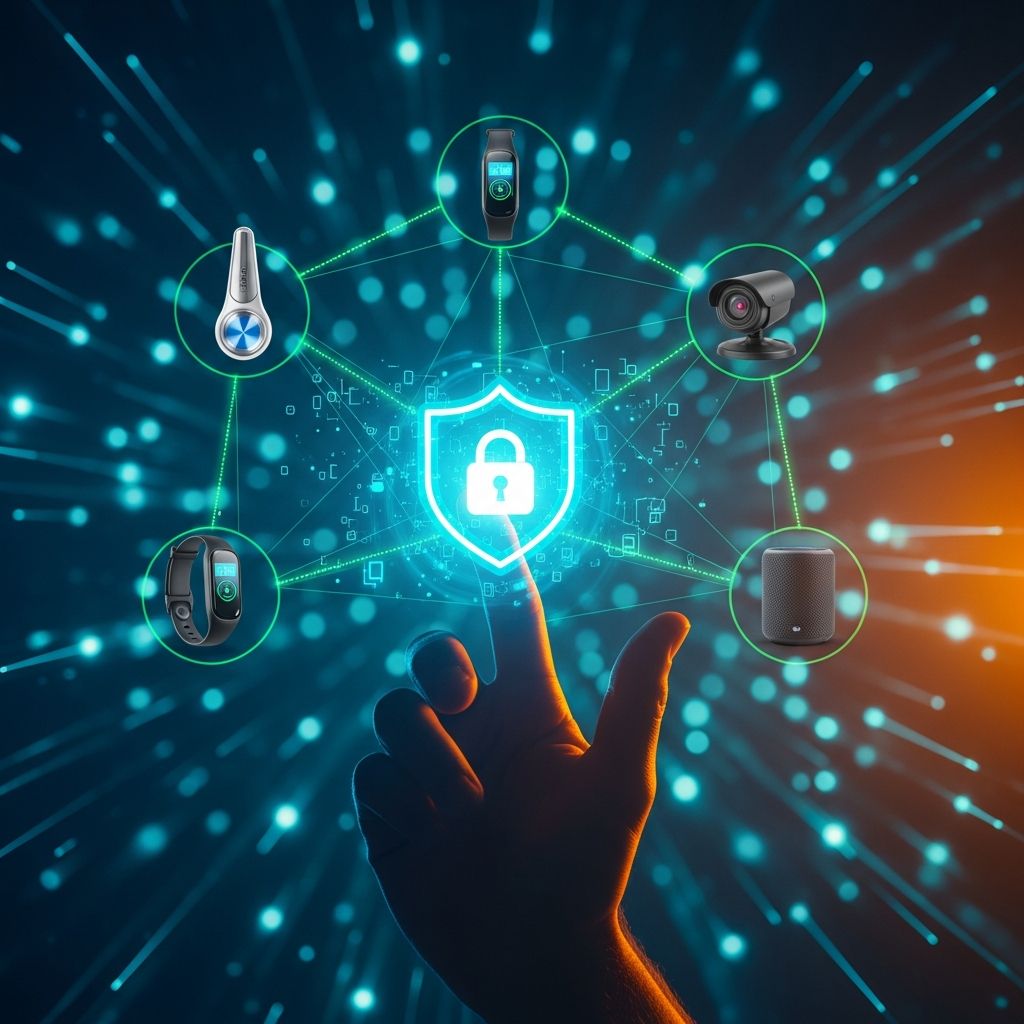
The Internet of Things (IoT) has transformed everyday objects into smart, interconnected systems. From wearable fitness bands that monitor heart rates to intelligent refrigerators that suggest grocery lists, these devices promise convenience and insights. Yet, this boom—projected to reach 75 billion devices by 2025 according to Statista—brings profound implications for consumer privacy and security. Users generate vast data streams, often unwittingly shared with manufacturers and third parties. This article delves into the evolving landscape of consumer rights, highlighting protections, pitfalls, and proactive steps individuals must take.
The Proliferation of Connected Devices
IoT devices permeate homes, workplaces, and public spaces. Smart thermostats adjust temperatures remotely, security cameras stream live feeds to phones, and health wearables track sleep patterns. A 2023 Pew Research Center survey found that 85% of Americans own at least one smart device, up from 15% in 2015. This growth fuels innovation but amplifies risks: data breaches, unauthorized surveillance, and opaque usage policies.
Consider fitness trackers, a cornerstone of personal health tech. Devices like Fitbit or Apple Watch log steps, calories, and even stress levels via skin conductance. While users celebrate personalized coaching, manufacturers harvest this biometric data for algorithms, marketing, and partnerships. The Federal Trade Commission (FTC) notes that such data can reveal intimate details—locations visited, sleep disorders, or reproductive health—without explicit consent.
Core Consumer Rights in a Connected World
Regulatory frameworks lag behind IoT’s pace, but foundational rights anchor protections. In the U.S., the FTC enforces Section 5 of the FTC Act against unfair or deceptive practices. Globally, the EU’s General Data Protection Regulation (GDPR) mandates consent, data minimization, and breach notifications. Key rights include:
- Right to Transparency: Companies must disclose data collection practices clearly, not buried in fine print.
- Right to Access and Control: Users can view, correct, or delete their data.
- Right to Security: Reasonable safeguards against hacks, as seen in the 2016 Mirai botnet attack on IoT cameras.
- Right to Opt-Out: Easy mechanisms to withdraw consent or disable tracking.
These rights empower consumers but require vigilance. A 2022 Consumer Reports study revealed that 70% of smart devices fail basic security tests, underscoring enforcement gaps.
Privacy Pitfalls: Lessons from Real-World Incidents
High-profile breaches illustrate vulnerabilities. In 2018, exposed fitness app databases leaked users’ HIV statuses and abortion clinic visits. Similarly, smart toys like CloudPets allowed hackers to access children’s voices. These echo broader trends: the World Economic Forum ranks data fraud as a top global risk.
Non-malicious sharing poses equal threats. Fitness trackers sync with apps that sell aggregated data to insurers, potentially hiking premiums for ‘risky’ lifestyles. A PMC study on digital health footprints warns that everyday activities—searches, social posts, wearables—create invisible profiles sold without compensation.1
| Device Type | Common Data Collected | Potential Risks |
|---|---|---|
| Fitness Trackers | Steps, heart rate, location | Health discrimination, stalking |
| Smart Home Devices | Voice recordings, routines | Surveillance, burglary targeting |
| Wearables | Sleep, biometrics | Identity theft, profiling |
User Responsibilities: Beyond Passive Protection
Rights alone insufficient; consumers bear duties. Change default passwords on routers and devices—FTC guidelines stress unique, complex credentials. Regularly update firmware to patch exploits; a 2024 NIST report shows 60% of breaches stem from unpatched vulnerabilities.2
Scrutinize privacy policies: average length exceeds 10,000 words, per a Carnegie Mellon study. Use tools like Terms of Service; Didn’t Read for summaries. Opt for privacy-centric brands or open-source alternatives like PineTime watches.
- Disable unnecessary permissions (e.g., location on fitness apps).
- Use VPNs for public Wi-Fi connected devices.
- Employ data anonymizers or delete accounts periodically.
Navigating Data Ownership and Commercialization
Who owns your data? Legally, users retain rights, but licenses often grant perpetual use to firms. GDPR’s ‘purpose limitation’ curbs this, fining violators up to 4% of revenue—Meta paid €1.2B in 2023.3 Yet, U.S. lacks federal privacy law; California’s CCPA offers opt-outs but varies by state.
Commercial incentives drive overcollection. Insurers like John Hancock reward fitness data for discounts, blurring wellness and surveillance. Experts advocate ‘data trusts’—collective bargaining for fair terms.
Regulatory Evolution and Future Safeguards
Lawmakers respond: Biden’s 2021 Executive Order mandates IoT security standards for federal devices. EU’s Cyber Resilience Act (2024) requires vulnerability disclosures.4 Internationally, OECD principles guide privacy-by-design.
Industry self-regulation falters; only 25% of devices meet ENISA baselines. Consumers push via advocacy—Petition FTC for comprehensive IoT rules garnered 100K signatures in 2023.
Practical Steps for Everyday Users
Empower yourself:
- Audit Devices: List all connected gadgets; assess risks.
- Secure Networks: Segment IoT on guest Wi-Fi.
- Monitor Permissions: Review app access quarterly.
- Educate Family: Discuss smart toy risks with children.
- Advocate: Support bills like ADIA for data minimization.
FAQs: IoT Consumer Rights Essentials
Q: Can companies sell my fitness data?
A: Often yes, via terms; check CCPA/GDPR for opt-outs.
Q: What if my device is hacked?
A: Report to FTC/IC3; demand manufacturer fixes.
Q: Are kids’ smart devices safe?
A: Rarely; COPPA requires parental consent, but enforcement weak.
Q: How to delete IoT data?
A: Use device settings or right-to-be-forgotten requests.
Q: What’s privacy-by-design?
A: Building protections into devices from inception, per NIST.
Conclusion: Balanced IoT Engagement
IoT enriches lives but demands informed participation. By asserting rights and fulfilling responsibilities, consumers shape a secure digital future. Stay proactive—your data defines tomorrow’s tech landscape.
References
- Health Policy and Privacy Challenges Associated With Digital Health Footprints — JAMA Network (PMC). 2020-07-07. https://pmc.ncbi.nlm.nih.gov/articles/PMC7348687/
- IoT Device Cybersecurity Capability Core Baseline — NIST. 2024-10-01. https://nvlpubs.nist.gov/nistpubs/ir/2024/NIST.IR.8259Aip2024.pdf
- GDPR Enforcement Tracker — Enforcement Tracker. 2023-12-31. https://www.enforcementtracker.com/
- Cyber Resilience Act — European Commission. 2024-05-15. https://digital-strategy.ec.europa.eu/en/policies/cyber-resilience-act
Similar Articles








Read full bio of medha deb