Community Networks: Unlocking Global Solutions
Discover how grassroots Internet initiatives empower communities to tackle poverty, climate challenges, and inequality worldwide.

Community networks represent a paradigm shift in how we approach Internet connectivity. Unlike traditional top-down infrastructure deployments by large corporations, these initiatives are driven by local residents who collectively build and manage their own digital pathways. This bottom-up model not only extends broadband to underserved regions but also catalyzes broader societal improvements, from economic growth to environmental stewardship.
The Rise of Grassroots Digital Infrastructure
In an era where Internet access is increasingly seen as a fundamental right, community networks emerge as a beacon of hope. These self-organized systems leverage affordable technologies like wireless mesh networks, fiber optics, and even satellite links to connect remote villages, urban slums, and marginalized groups. By pooling resources—be it labor, equipment, or knowledge—participants create resilient networks tailored to their unique needs.
The momentum for such networks has grown exponentially. Reports indicate that thousands of these projects operate worldwide, serving millions who would otherwise remain offline. This movement aligns closely with global agendas, particularly the United Nations’ 2030 Sustainable Development Goals (SDGs), by enabling access to education, healthcare, and markets.
Bridging the Digital Divide for Economic Empowerment
One of the most profound impacts of community networks is their role in economic upliftment. In regions plagued by poverty, reliable Internet opens doors to remote work, e-commerce, and digital skills training. For instance, farmers in rural areas can access real-time market prices, weather forecasts, and agricultural advice, boosting yields and incomes.
- Job Creation: Network maintenance and expansion generate local employment opportunities, from technicians to content creators.
- Entrepreneurship: Online platforms allow artisans and small businesses to reach global customers, fostering innovation.
- Financial Inclusion: Mobile banking and digital wallets become viable, reducing reliance on cash economies.
Studies show that a 10% increase in broadband penetration can raise GDP growth by 1.3% in developing nations, underscoring the multiplier effect of connectivity.
Advancing Environmental Sustainability Through Connectivity
Climate change poses existential threats, yet community networks offer tools for mitigation and adaptation. Connected communities can monitor deforestation, track wildlife, and coordinate disaster responses more effectively. IoT sensors deployed on these networks enable precision agriculture, minimizing water waste and chemical use.
| SDG Goal | Community Network Contribution |
|---|---|
| Goal 13: Climate Action | Real-time environmental data collection and community-led conservation efforts |
| Goal 7: Affordable and Clean Energy | Solar-powered network nodes promoting renewable energy adoption |
| Goal 11: Sustainable Cities | Smart monitoring for urban waste management and traffic optimization |
Moreover, by reducing the need for physical travel through virtual meetings and telemedicine, these networks lower carbon footprints, contributing to a greener planet.
Enhancing Education and Health Outcomes
Access to knowledge is transformative. Community networks deliver online courses, libraries, and tutoring to children in isolated areas, closing educational gaps. During pandemics, they facilitate virtual classrooms and health hotlines, ensuring continuity of services.
In healthcare, teleconsultations connect patients with specialists, while health apps provide preventive care information. This is particularly vital in low-resource settings where infrastructure is scarce.
Overcoming Barriers to Deployment
Despite their promise, community networks face hurdles. Regulatory obstacles, such as spectrum licensing and right-of-way permissions, often stifle growth. High initial costs and technical expertise shortages compound these issues.
Solutions include policy reforms that allocate free spectrum for non-commercial use and partnerships with NGOs for training. Open-source software lowers barriers, enabling rapid prototyping.
Real-World Success Stories
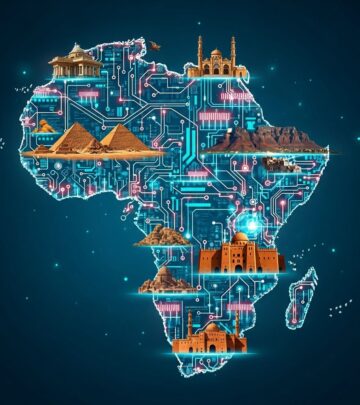
Across continents, inspiring examples abound. In Latin America, indigenous groups have woven networks through jungles, preserving culture while accessing services. African cooperatives share bandwidth across borders, igniting tech hubs. In Asia, disaster-prone islands rely on these resilient systems for emergency communication.
These cases demonstrate scalability: starting small, they expand through community trust and reinvested revenues.
The Path Forward: Policy and Collaboration
To maximize impact, governments must enshrine community networks in national broadband strategies. International bodies like the UN can advocate for supportive frameworks. Private sector involvement—through equipment donations or expertise—can accelerate adoption without compromising autonomy.
Looking ahead, integration with emerging tech like 5G and AI will supercharge these networks, enabling smart villages and data-driven decisions.
Frequently Asked Questions (FAQs)
What exactly is a community network?
A community network is a locally owned and operated Internet infrastructure built by residents to provide affordable, reliable connectivity to their area.
How do community networks differ from commercial ISPs?
They prioritize community needs over profit, often using cooperative models and open technologies for greater resilience and inclusivity.
Can anyone start a community network?
Yes, with basic tech knowledge, community buy-in, and regulatory compliance. Resources from organizations like the Internet Society offer guidance.
What are the main challenges?
Regulatory hurdles, funding, and skills gaps are common, but partnerships and advocacy are addressing them.
How do they support the UN SDGs?
By enabling access to information, markets, and services, they directly contribute to goals like zero hunger, quality education, and reduced inequalities.
References
- Transforming Our World: The 2030 Agenda for Sustainable Development — United Nations. 2015-09-25. https://sdgs.un.org/2030agenda
- Community Networks: The Internet by the People for the People — Internet Governance Forum Dynamic Coalition on Community Connectivity. 2017-12-01. https://www.intgovforum.org/en/filedepot_download/5133/763
- The Impact of Broadband on Growth and Productivity — World Bank. 2020-10-15. https://www.worldbank.org/en/topic/digitaldevelopment/publication/the-impact-of-broadband-on-growth-and-productivity
- Digital Development: Community Networks — Internet Society. 2023-05-12. https://www.internetsociety.org/issues/community-networks/
- Network Self-Determination and the Positive Externalities of Community Networks — Fundação Getulio Vargas. 2017-01-01. https://repositorio.fgv.br/bitstreams/7355c22d-7019-41bb-9c98-c5c34ff7e370/download
Similar Articles







Read full bio of Sneha Tete