Closing the Gender Gap in Mobile Internet Access
Exploring how mobile technology can empower women and reduce digital inequalities in the Asia-Pacific region through targeted strategies.
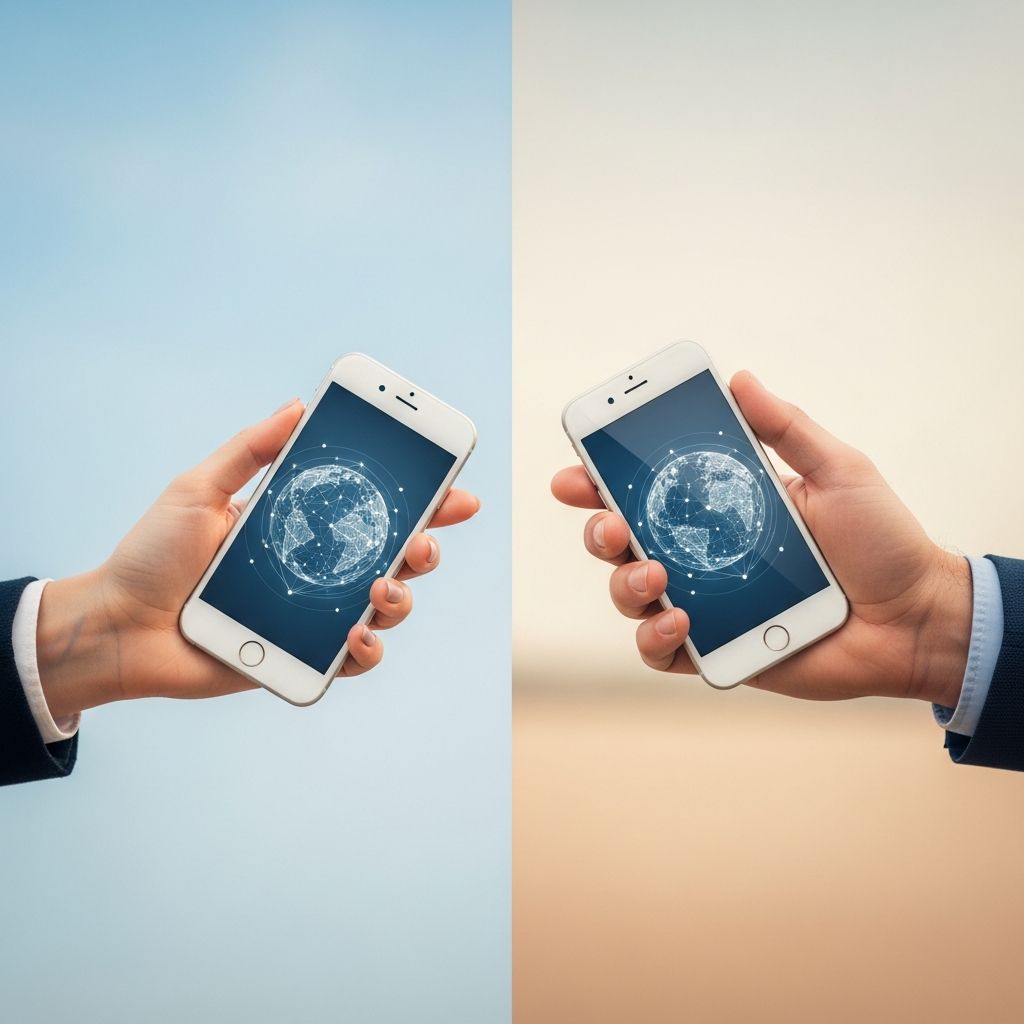
The rapid expansion of mobile technology has transformed how people connect, work, and learn worldwide. Yet, a persistent challenge remains: women in many regions, particularly in developing parts of Asia and beyond, are significantly less likely to own smartphones or use the internet compared to men. This disparity, known as the gender digital divide, limits women’s opportunities in education, employment, and social participation. Mobile internet holds immense promise as a tool to bridge this gap, offering affordable and portable access. But realizing this potential requires understanding barriers and implementing inclusive policies.
Understanding the Scope of Digital Gender Inequality
Global data reveals stark differences in technology adoption by gender. In low- and middle-income countries, women are about 22% less likely to use the internet and 14% less likely to own a mobile phone than men. These gaps are widest in regions like Sub-Saharan Africa and South Asia, where cultural norms, economic constraints, and infrastructure limitations play major roles.
In the Asia-Pacific, similar patterns emerge. Women often face hurdles such as high device costs, lack of digital skills, and safety concerns online. For instance, in rural areas, connectivity is sparse, and affordability remains a barrier. Recent policy discussions highlight how these issues compound for marginalized groups, including indigenous women and those in remote or conflict zones.
- Access disparities: Women trail in both ownership and usage, affecting economic mobility.
- Regional variations: Gaps are pronounced in South Asia and parts of Southeast Asia.
- Intersectional challenges: Poverty, location, and gender norms intersect to widen divides.
Mobile Technology as a Catalyst for Inclusion
Mobile phones, especially smartphones, democratize internet access by bypassing the need for fixed broadband, which is often unavailable in underserved areas. In the Asia-Pacific, mobile penetration has surged, with billions of subscriptions. This infrastructure can empower women by providing tools for e-learning, e-commerce, and health information.
Workshops and forums, such as those hosted by regional internet governance groups, have showcased success stories. Participants note that when women gain mobile access, they pursue online education, start micro-businesses, and engage in community networks. However, uptake depends on addressing specific pain points like device affordability and content relevance.
| Region | Women’s Internet Usage Gap (%) | Mobile Ownership Gap (%) |
|---|---|---|
| High-Income Countries | Near 0% | Near 0% |
| Low/Middle-Income Countries | 22% | 14% |
| Sub-Saharan Africa & South Asia | Up to 35% | Up to 25% |
This table, derived from recent demographic research, underscores the urgency for targeted interventions.
Key Barriers Hindering Women’s Mobile Adoption
Several interconnected factors prevent women from fully embracing mobile internet. Economic barriers top the list: smartphones are often too expensive relative to income levels, especially for homemakers or low-wage workers. In many households, men receive priority for device purchases.
Skills gaps are another hurdle. Women may lack training in basic digital literacy, from navigating apps to online safety. Cultural attitudes further discourage use; in some communities, mobile phones for women are viewed as unnecessary or risky due to harassment concerns.
Infrastructure plays a role too. Remote areas suffer from poor network coverage, making reliable access elusive. Recent discussions emphasize cybersecurity threats, like online violence, which deter women from going digital.
- Affordability: High costs of devices and data plans.
- Skills Deficit: Limited training opportunities tailored for women.
- Safety Issues: Fear of harassment and inadequate protections.
- Relevance: Content not designed for women’s needs, such as local languages or practical apps.
Policy Recommendations for Equitable Access
Bridging the divide demands multi-stakeholder action. Governments can lead by integrating digital skills into school curricula and launching awareness campaigns. Subsidies for devices, tax reductions on imports, and micro-loan programs via cooperatives are practical steps to boost affordability.
Public-private partnerships can expand coverage in rural zones. Telecom operators might offer women-specific data bundles or zero-rated services for educational content. Strengthening laws against cyber harassment builds trust.
Regional forums advocate for inter-agency collaboration, with action plans focusing on AI empowerment for women and inclusive policies for indigenous groups. For example, initiatives targeting homemakers with literacy programs have shown promise.
Success Stories and Emerging Trends
Around the world, programs demonstrate mobile internet’s transformative power. In the Philippines, policymaker forums have pushed for gender-responsive ICT, resulting in skill-building workshops and financial access schemes. These efforts address connectivity in remote areas and promote AI literacy.
Globally, dashboards tracking gender gaps use data analytics to guide interventions, revealing subnational trends. Youth-led workshops in Asia-Pacific highlight inclusive policies, empowering young women through knowledge and advocacy.
Trends like affordable 5G and AI-driven apps promise further gains, but equitable rollout is key.
Future Outlook: Toward Universal Digital Inclusion
By 2030, mobile internet could connect billions more, but only if gender gaps close. Investments in education, infrastructure, and safety will unlock benefits like economic growth and social equity. Stakeholders must prioritize women in digital agendas.
International bodies and local governments are aligning on this, with calls for metrics to measure progress. The path forward involves sustained commitment to policies that make mobile tech a true equalizer.
Frequently Asked Questions (FAQs)
What is the gender digital divide?
It refers to unequal access to and use of digital technologies between men and women, often disadvantaging women in developing regions.
How does mobile internet help bridge this divide?
Mobiles provide portable, affordable access without relying on fixed infrastructure, enabling education and economic participation.
What are the biggest barriers for women?
Affordability, skills gaps, safety concerns, and poor infrastructure in rural areas.
What policies can governments implement?
Subsidies, digital literacy programs, cybersecurity laws, and inclusive content development.
Has progress been made in Asia-Pacific?
Yes, through workshops, policy forums, and data-driven initiatives tracking and reducing gaps.
References
- Bridging the Digital Divide: Policymakers Unite for Gender-Responsive ICT — Philippine Commission on Women (pcw.gov.ph). 2023. https://pcw.gov.ph/bridging-the-digital-divide-policymakers-unite-for-gender-responsive-ict/
- Bridging the Digital Divide: Gender Inequality in Online Access — University of Oxford Department of Sociology. 2023-03-08. https://www.sociology.ox.ac.uk/article/bridging-the-digital-divide-gender-inequality-in-online-access
- Workshop Proposals 2019 — United Nations Internet Governance Forum (IGF). 2019. https://www.intgovforum.org/en/filedepot_download/49/4887
Similar Articles








Read full bio of Sneha Tete