Closing the Digital Gender Divide in the Global South
Empowering women online through policy, skills, and inclusive access in developing regions.
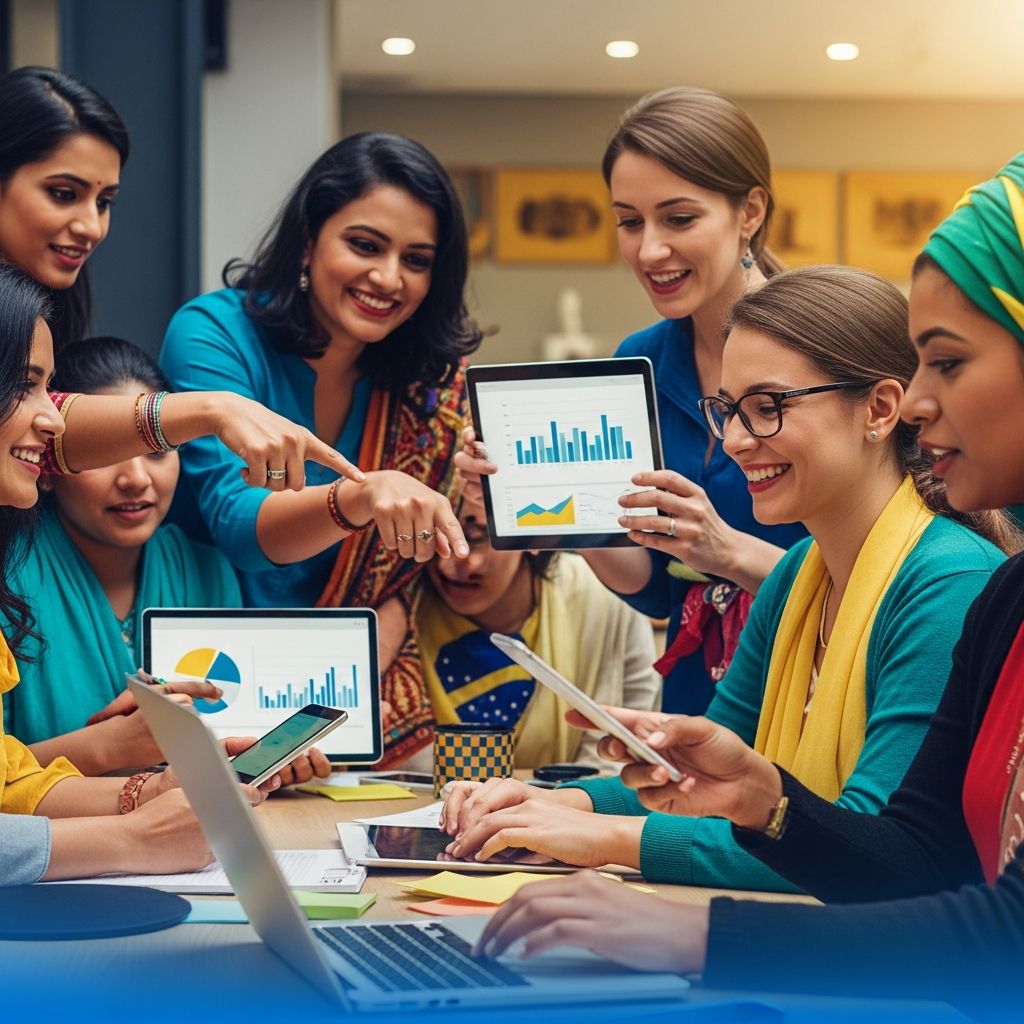
The internet has transformed societies worldwide, offering unprecedented opportunities for education, economic growth, and social connection. Yet, in the Global South—encompassing Africa, Latin America, parts of Asia, and other developing regions—women and girls remain disproportionately excluded from this digital revolution. This persistent gap not only perpetuates inequality but also hampers broader development goals. Addressing it requires a multifaceted approach involving governments, communities, and international organizations.
Understanding the Scope of Digital Exclusion
In low- and middle-income countries, the gender digital divide manifests in stark statistics. Women are far less likely to own smartphones, access high-speed internet, or engage meaningfully online compared to men. This exclusion stems from intersecting factors like poverty, cultural norms, and inadequate infrastructure, creating a cycle of disadvantage that affects education, employment, and civic participation.
Consider rural areas where electricity is unreliable and broadband is scarce. Women, often burdened with unpaid care work, have little time or resources to bridge this gap. Urban settings fare little better, with affordability barriers pricing many out of digital participation. The result is a digital ecosystem that amplifies existing inequalities rather than leveling the playing field.
Key Barriers Impeding Women’s Online Participation
Several interconnected challenges prevent women in the Global South from fully realizing the internet’s potential. These can be categorized into infrastructural, socioeconomic, and sociocultural hurdles.
- Infrastructure Deficits: Limited network coverage, high data costs, and poor device affordability lock women out. In least developed countries, internet penetration among women lags significantly behind men.
- Socioeconomic Constraints: Low literacy rates, especially digital literacy, combined with financial barriers, mean women rarely acquire necessary skills or devices. Employment discrimination further limits their ability to invest in technology.
- Sociocultural Norms: Patriarchal attitudes restrict women’s mobility, education, and online expression. Online harassment and privacy concerns deter many from participating freely.
These barriers compound, leading to underrepresentation in STEM fields, entrepreneurship, and decision-making spaces online.
Real-World Impacts on Women and Communities
The consequences of this divide ripple across society. Economically, women miss out on e-commerce, remote work, and digital freelancing opportunities that could lift families out of poverty. Educationally, girls forgo online learning resources, perpetuating cycles of illiteracy. Socially, limited networking stifles advocacy for rights and health information.
In agriculture-dependent economies, for instance, women farmers could use mobile apps for market prices and weather forecasts but often cannot due to access issues. During crises like pandemics, this gap exacerbates vulnerabilities, as seen in uneven vaccine information dissemination.
Initiatives Driving Change: Success Stories
Despite challenges, promising initiatives offer blueprints for progress. Community Wi-Fi projects in rural India have boosted female entrepreneurship by providing affordable access points. In Kenya, mobile money platforms like M-Pesa have empowered women financially, though gaps persist in advanced digital services.
NGO-led digital literacy programs in Brazil target marginalized women, teaching skills from basic navigation to content creation. These efforts demonstrate that targeted interventions can yield measurable gains in confidence and income.
Policy Frameworks for Inclusive Digital Access
Governments hold the key to systemic change through robust policies. Key recommendations include:
- Subsidizing devices and data for low-income women.
- Mandating gender-disaggregated data in national digital strategies.
- Enforcing anti-harassment laws with swift digital enforcement mechanisms.
International frameworks like the UN Sustainable Development Goals (SDG 5 on gender equality and SDG 9 on infrastructure) provide guiding principles. Aligning national policies with these can attract funding and technical support.
Building Digital Skills and Literacy
Access alone is insufficient without skills. Programs promoting STEM education for girls, coding bootcamps, and online safety training are essential. Partnerships between tech firms and governments can scale these efforts, incorporating local languages and cultural contexts.
Table 1: Comparative Digital Literacy Initiatives
| Country/Region | Initiative | Impact |
|---|---|---|
| India | Digital Saksharta Abhiyan | Trained 50M+ rural women |
| Senegal | Women in Tech Hubs | Increased STEM enrollment by 30% |
| Brazil | Committee on Internet Rights | Reduced reported harassment by 25% |
Fostering Safe Online Environments
Trust is paramount. Women must navigate platforms free from violence and misinformation. Strengthening cyber laws, promoting ethical AI, and creating women-led moderation teams can mitigate risks. Education on privacy tools empowers users to protect themselves.
The Role of Stakeholders in Collective Action
No single entity can close the divide. Governments should lead policy; private sector invest in infrastructure; civil society advocate and train; and international bodies provide resources. Multi-stakeholder forums can harmonize efforts.
Measuring Progress: Data and Indicators
Progress requires evidence. Governments need gender-specific metrics on connectivity, usage, and safety. Tools like the ITU’s ICT Development Index, disaggregated by gender, offer benchmarks. Regular surveys can track improvements and adjust strategies.
Future Outlook: A Gender-Inclusive Digital Tomorrow
By 2030, the Global South could see halved digital divides if current momentum builds. Emerging technologies like 5G and satellite internet promise broader reach, but equitable deployment is crucial. Empowering women online will unlock economic potential estimated in trillions, fostering resilient societies.
Frequently Asked Questions (FAQs)
What is the gender digital divide?
The disparity in internet access, usage, and skills between men and women, widest in developing regions.
Why focus on the Global South?
Home to billions, where divides entrench poverty and inequality, slowing SDG progress.
How can individuals contribute?
Support local programs, advocate for policies, and mentor women in digital skills.
What role does policy play?
Policies ensure affordability, safety, and inclusion, backed by enforcement and funding.
References
- Views and Perspectives on Gender Rights Online for the Global South: Redefining Rights for a Gender Inclusive Digital World — Association for Progressive Communications. 2018. https://www.apc.org/en/pubs/views-and-perspectives-gender-rights-online-global-south-redefining-rights-gender-inclusive
- Advancing Gender Equality and Women’s Digital Empowerment in the Global South — Southern Voice. 2022-09. http://southernvoice.org/wp-content/uploads/2022/09/Advancing-gender-equality-and-womens-digital-empowerment-in-the-Global-South.pdf
- Measuring Digital Development: Facts and Figures 2023 — International Telecommunication Union (ITU). 2023. https://www.itu.int/en/ITU-D/Statistics/Pages/publications/mis2023.aspx
- Women’s Mobile Internet Usage Statistics 2023 — GSMA. 2023. https://www.gsma.com/mobilefordevelopment/wp-content/uploads/2023/02/The-Mobile-Gender-Gap-Report-2023.pdf
- Bridging the Gender Gap Can Drive Development in the Global South — Blavatnik School of Government, University of Oxford. 2023. https://www.bsg.ox.ac.uk/blog/bridging-gender-gap-can-drive-development-global-south
Similar Articles








Read full bio of Sneha Tete