Citrix IPv6 Transition Blog Series
Discover Citrix's comprehensive blog series guiding enterprises through IPv6 transition challenges and solutions.
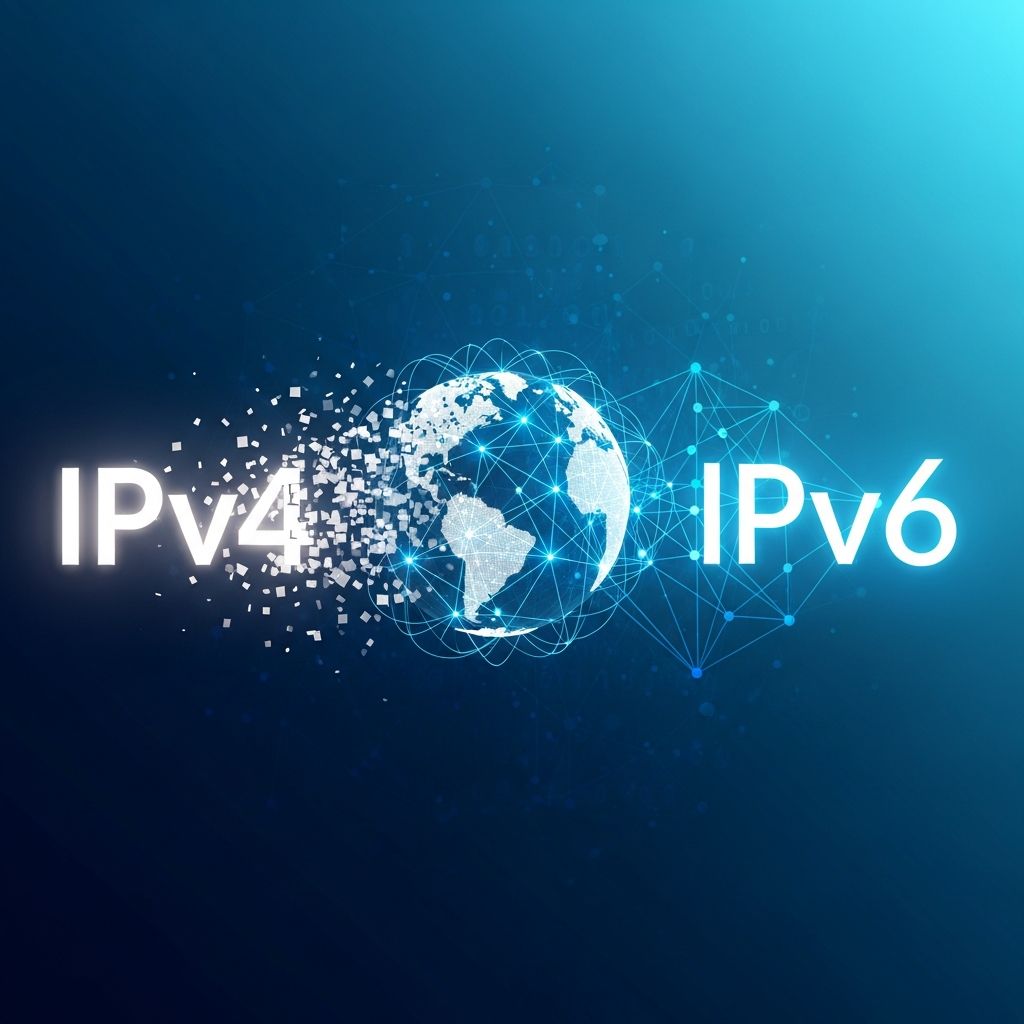
The internet’s foundational protocol, IPv4, is running out of addresses, pushing organizations worldwide toward IPv6 adoption. Citrix, a leader in virtualization and networking solutions, has launched a dedicated blog series to demystify this shift. This initiative arrives at a pivotal moment, as enterprises grapple with legacy systems while preparing for a fully IPv6-enabled future. The series promises in-depth explorations of transition technologies, real-world deployment scenarios, and best practices tailored for complex environments.
Why IPv6 Transition Matters Today
IPv6 was designed to solve IPv4’s address exhaustion, offering a vastly larger address space—approximately 340 undecillion addresses compared to IPv4’s 4.3 billion. Yet, over a decade after its standardization, IPv6 deployment lags due to compatibility issues, infrastructure costs, and uncertainty around transition paths. Citrix’s blog series addresses these pain points head-on, emphasizing that delaying migration risks connectivity disruptions as ISPs and cloud providers prioritize IPv6.
Key drivers include exploding IoT device numbers, 5G networks demanding native IPv6, and regulatory pressures in regions like Europe and Asia. For Citrix customers running Virtual Desktops (VDI), XenApp, or NetScaler gateways, the series outlines how IPv6 enhances scalability and security without ripping out existing IPv4 investments.
Core Transition Technologies Spotlighted
The series dives into proven IPv6 transition mechanisms, starting with tunneling protocols that encapsulate IPv6 traffic over IPv4 networks. These allow gradual rollout without immediate full-stack overhauls.
- DS-Lite (Dual-Stack Lite): Ideal for service providers, DS-Lite lets customer premises equipment (CPE) use private IPv4 addresses tunneled over IPv6 to a central Address Family Transition Router (AFTR). This conserves public IPv4 addresses while enabling native IPv6 for new users.
- IP-HTTPS: A secure tunneling method using HTTPS to carry IPv6 packets, crucial for remote access scenarios like DirectAccess or Citrix Gateway. It bypasses firewalls blocking other protocols.
- 6to4 and Teredo: Automatic tunneling options for clients behind NAT, though less reliable in modern restricted networks.
Translation techniques like NAT64/DNS64 are also covered, enabling IPv6-only hosts to reach IPv4 services by mapping addresses and synthesizing DNS records.
DS-Lite in Depth: Enabling Provider-Led Migration
DS-Lite stands out for broadband operators transitioning core networks to IPv6. In this model, the customer’s Basic Bridging BroadBand (B4) element—often embedded in routers—encapsulates IPv4 traffic in IPv6 packets and tunnels it to the provider’s AFTR. The AFTR performs Network Address Translation (NAT), sharing scarce public IPv4 addresses across thousands of subscribers.
| Component | Role | Benefits |
|---|---|---|
| B4 (CPE) | Tunnels IPv4 over IPv6 | Uses native IPv6 connectivity |
| AFTR | De-tunnels and NATs | Centralized IPv4 management |
Advantages include incremental adoption and IPv4 conservation, but challenges like increased latency from encapsulation and lack of IPv4-IPv6 intercommunication require careful MTU tuning and hybrid policies.
IP-HTTPS: Securing Remote IPv6 Access
For enterprise VPNs and VDI, IP-HTTPS shines by leveraging SSL/TLS encryption. Citrix NetScaler (now ADC) appliances excel here, offloading SSL processing and pre-authenticating clients to thwart unauthorized access. This mitigates risks where default IP-HTTPS allows rogue clients to obtain IPv6 addresses via Neighbor Discovery.
In Citrix Virtual Apps and Desktops, dual-stack support spans most components, except XenServer, which remains IPv4-only. Policies like ‘Only use IPv6 Controller registration’ enforce IPv6 for VDAs, prioritizing global addresses over link-local ones.
Citrix NetScaler and ADC in IPv6 Deployments
Citrix’s NetScaler/ADC platforms are transition workhorses. They support MAP-T (Mapping of Address and Port) as a Border Router, aggregating ports to stretch IPv4 further. Configuration involves enabling IPv6 on interfaces, tuning transition policies, and optimizing for PVS environments by disabling IPv6 in OS layers via registry (e.g., HKLMSystemCurrentControlSetServicesTCPIP6ParametersDisabledComponents = 0xFF).
- SSL offload reduces CPU load on DirectAccess servers.
- Preauthentication blocks DoS attacks from unverified clients.
- Dual-stack delivery groups separate IPv4 and IPv6 traffic.
Deployment Best Practices from Citrix Experts
The blog series stresses testing in labs before production. Start with dual-stack pilots, monitor transition tunnels for fragmentation, and use tools like Wireshark for protocol analysis. For VDI, create separate groups for IPv4/IPv6 clients using Active Directory filters or SmartAccess.
Common pitfalls include MTU mismatches causing blackholing and overlooking IPv6 firewall rules. Citrix recommends consecutive public IPv4 addresses for Teredo servers and registry tweaks for PVS targets.
Future-Proofing with Hybrid Strategies
Pure IPv6 isn’t imminent; hybrid IPv4/IPv6 (dual-stack) dominates. Citrix’s series prepares admins for this reality, covering cloud migrations where AWS, Azure, and Google Cloud mandate IPv6 planning. By 2026, with 5G rollout, native IPv6 will be unavoidable for low-latency apps.
Real-World Case Studies and Lessons
While specifics vary, the series draws from deployments like F1 racing analytics powered by Citrix cloud transitions. Lessons include prioritizing IP-HTTPS over less secure 6to4 and using ADCs for seamless failover between stacks.
FAQs on IPv6 Transition with Citrix
- Does Citrix support pure IPv6 environments?
- Yes, most components like VDAs and Controllers support pure IPv6 or dual-stack, except XenServer.
- How do I disable IPv6 for PVS targets?
- Use registry key DisabledComponents=0xFF and uninstall transition adapters.
- What’s the role of NetScaler in DS-Lite?
- It can act as AFTR or MAP-T BR, handling translation at scale.
- Is IP-HTTPS secure by default?
- No—configure NetScaler for offload and preauth to enhance security.
- When should I migrate to IPv6?
- Now: Start with tunnels/translations, aim for dual-stack within 12-18 months.
This Citrix blog series is a timely resource, blending technical depth with actionable advice. It empowers network engineers to navigate IPv6 complexities, ensuring business continuity amid protocol evolution.
References
- IPv4/IPv6 support | Citrix Virtual Apps and Desktops™ 7 2603 — Citrix Docs. 2024. https://docs.citrix.com/en-us/citrix-virtual-apps-desktops/manage-deployment/ipv6.html
- DirectAccess IPv6 Transition Protocols Explained — Richard Hicks, DirectAccess.RichardHicks.com. 2014-10-28. https://directaccess.richardhicks.com/2014/10/28/directaccess-ipv6-transition-protocols-explained/
- IPv6 Transition – DS-Lite — ytd2525, WordPress.com. 2013-01-04. https://ytd2525.wordpress.com/2013/01/04/ipv6-transition-ds-lite/
- DirectAccess SSL Offload and IP-HTTPS Preauthentication with Citrix NetScaler — Richard Hicks, DirectAccess.RichardHicks.com. 2017-01-17. https://directaccess.richardhicks.com/2017/01/17/directaccess-ssl-offload-and-ip-https-preauthentication-with-citrix-netscaler/
- Create and update OS Layer – Citrix App Layering — JGSpiers.com. 2023. https://jgspiers.com/create-update-os-layer-citrix-app-layering/
Similar Articles








Read full bio of medha deb