CES Connected Gadgets: Security Risks Exposed
As CES showcases hyper-connected devices, experts warn of escalating privacy threats and security gaps in smart homes and beyond.
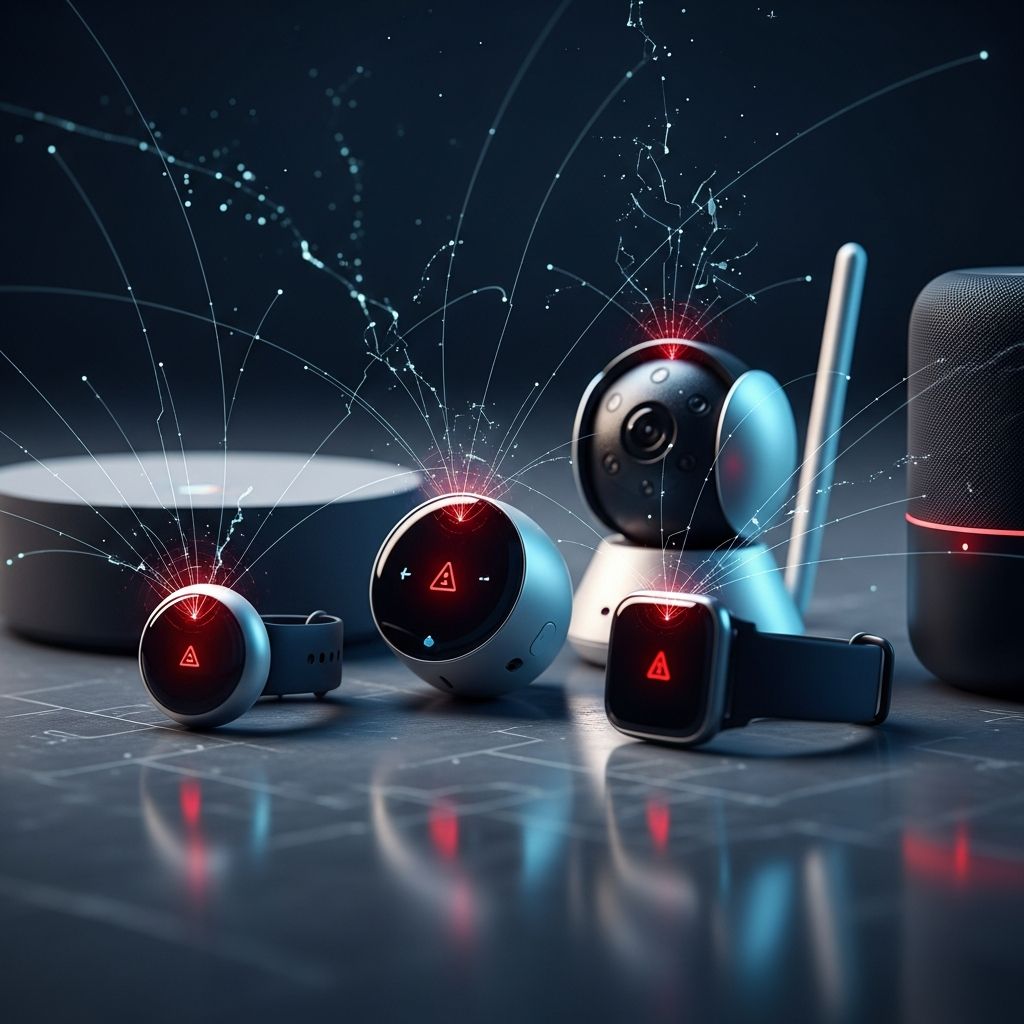
In the glittering halls of the Consumer Electronics Show (CES), the future of everyday life unfolds through a torrent of smart devices promising unprecedented convenience. From AI-enhanced refrigerators that monitor your eating habits to baby cribs equipped with radar sensors, the event has become a showcase for the Internet of Things (IoT). Yet, beneath the hype lies a stark reality: many of these innovations prioritize features over fundamental protections, exposing users to profound privacy invasions and cyber vulnerabilities. This article delves into the pressing concerns surrounding these connected gadgets, drawing on recent critiques and data to reveal why security must take center stage in consumer tech.
The Surge of Surveillance in Smart Homes
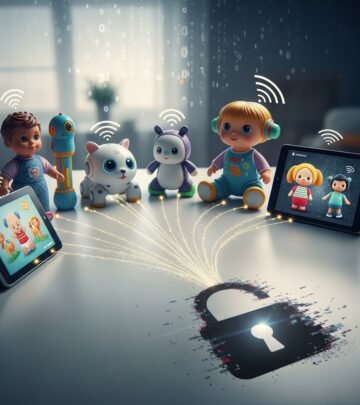
Modern homes are transforming into nerve centers of data collection, with appliances and fixtures increasingly embedded with cameras, microphones, and sensors. At CES 2025, products like the Bosch Revol smart crib exemplify this trend, integrating radar technology to track infant breathing and movements. While marketed as a guardian of safety, critics from the Electronic Frontier Foundation (EFF) argue it exemplifies excessive surveillance, capturing video, audio, and biometric data that streams to cloud servers.
Privacy advocates highlight how such devices normalize constant monitoring in intimate spaces. Liz Chamberlain of iFixit notes that “surveillance technology built into washing machines and refrigerators” creates an industry-wide dilemma, where cool features come at the cost of personal boundaries. Parents, driven by legitimate fears for their children’s well-being, may unwittingly invite corporate oversight into their nurseries.
- Key Risks: Cloud transmission amplifies breach potential; even encrypted data can be subpoenaed or hacked.
- Consumer Impact: Unclear data retention policies leave families vulnerable to misuse.
- Industry Response: Bosch claims end-to-end encryption and user controls, but transparency remains limited.
Vulnerable Networking Gear Threatens Entire Ecosystems
High-speed routers like TP-Link’s Archer BE900, flaunted at CES, promise blazing Wi-Fi speeds but carry baggage from known security flaws. Experts point out that Chinese regulations compel firms like TP-Link to report vulnerabilities to the government before public disclosure, posing national security risks. This regulatory quirk underscores broader IoT frailties, where a single weak link can compromise entire home networks.
Connected devices form intricate webs, amplifying threats. A compromised router could expose smart thermostats, door locks, and personal assistants to remote control. Recent surveys reveal consumer anxiety: Deloitte’s 2023 Connectivity Trends report found nearly 60% of users fear hacking via their gadgets, with location tracking concerns affecting over 60% for smart home setups.
| Device Type | Common Vulnerability | Potential Consequence |
|---|---|---|
| Smart Routers | Firmware flaws, delayed patches | Network-wide breaches, data theft |
| Baby Monitors/Cribs | Cloud data leaks | Privacy invasion, stalking risks |
| Appliances (Fridges, Washers) | Embedded cameras/mics | Surveillance without consent |
Repairability Roadblocks and E-Waste Epidemic
Beyond digital dangers, CES gadgets often sacrifice durability for disposability. Add-ons like AI modules in appliances inflate costs and complicate repairs, as noted by repair advocates. These “smart” enhancements render devices fragile, pushing consumers toward premature replacements and fueling e-waste mountains.
Sustainability intersects with security here: non-repairable IoT products lock users into vendor ecosystems, where firmware updates cease post-warranty, breeding obsolescence. Groups like Repair.org and Consumer Reports decry this as the “least sustainable” trend, urging modular designs that empower users to fix and secure their own gear.
Regulatory Gaps in a Hyper-Connected World
Governments lag behind tech’s sprint. While the EU’s GDPR enforces data protections, U.S. policies remain patchwork, leaving CES exhibitors unchecked. The “Worst in Show” awards by coalitions including iFixit, EFF, and PIRG spotlight offenders, pressuring firms to prioritize ethics. Yet, without binding standards like mandatory security audits or “privacy by design,” innovation outpaces safeguards.
AI’s role exacerbates this: machine learning models thrive on vast datasets from wearables and homes, but opaque practices erode trust. National Science Foundation research on consumer electronics identifies resource constraints in CE devices as a core challenge, limiting robust encryption and updates.
“As devices integrate deeper into our lives, the risks of data privacy, repairability, and environmental impact grow exponentially.” – Privacy Advocate Synthesis
Empowering Consumers: Practical Steps Forward
Users aren’t powerless. Start with offline modes where available, like the Revol crib’s local processing option. Scrutinize privacy policies, opt for open-source firmware on routers, and support right-to-repair laws. Tools like Consumer Reports’ Permission Slip app reveal data appetites of connected products.
- Assess Necessity: Does the smart feature justify risks? Basic monitors often suffice over cloud-dependent ones.
- Secure Networks: Use VPNs, change default passwords, and enable auto-updates.
- Advocate: Back initiatives for IoT labeling, similar to energy stars, indicating security tiers.
- Choose Wisely: Favor brands with proven track records, like those audited by third parties.
Future Horizons: Toward Secure Innovation
CES 2025 signals a tipping point. Samsung’s Jong-Hee Han boasted of “setting the standard for the home of the future,” but true leadership demands privacy-forward designs. Emerging standards from bodies like the IoT Security Foundation promise baseline protections: unique credentials, secure boot, and vulnerability disclosure.
Imagine edge computing shifting processing to devices, minimizing cloud exposure. Blockchain for data access logs could enhance transparency. As 5G and 6G roll out, embedding security from inception will define winners. Consumers, armed with knowledge, can drive this shift, ensuring connectivity enhances rather than endangers lives.
Frequently Asked Questions (FAQs)
What makes CES smart devices risky?
They often feature always-on sensors sending data to clouds with weak encryption, repair barriers, and opaque policies, inviting hacks and surveillance.
Are there safe IoT alternatives?
Yes—opt for local-only devices, open-source options like Home Assistant, or certified secure products from trusted vendors.
How can I protect my smart home?
Segment networks, use strong unique passwords, monitor for updates, and disable unnecessary features like microphones.
Will regulations fix these issues?
Progress like the U.S. Cyber Trust Mark aims to, but global harmonization and enforcement are needed.
What’s the ‘Worst in Show’ award?
An annual critique by advocates naming CES products worst for privacy, repairability, and sustainability to spur improvements.
References
- Worst in Show CES Products Put Data at Risk — Voice of America. 2025-01-XX. https://www.voanews.com/a/worst-in-show-ces-products-put-data-at-risk-and-cause-waste-privacy-advocates-say/7931337.html
- Data Privacy and Security Worries Are on the Rise — Deloitte. 2023-01-01. https://www.deloitte.com/us/en/insights/industry/telecommunications/connectivity-mobile-trends-survey/2023/data-privacy-and-security.html
- Security and Privacy Issues in Contemporary Consumer Electronics — National Science Foundation. 2021-01-01. https://par.nsf.gov/servlets/purl/10220719
- The ‘Worst in Show’ CES Products Put Your Data at Risk — SecurityWeek. 2025-01-XX. https://www.securityweek.com/the-worst-in-show-ces-products-put-your-data-at-risk-and-cause-waste-privacy-advocates-say/
- Innovation vs. Privacy: CES Sparks Growing Concerns — National CIO Review. 2025-01-01. https://nationalcioreview.com/articles-insights/extra-bytes/innovation-vs-privacy-ces-sparks-growing-concerns-over-smart-tech/
Similar Articles








Read full bio of medha deb