Building Trust Through Collective Internet Defense
Discover how shared responsibility and multistakeholder collaboration can restore confidence in the Internet amid rising cyber threats and surveillance concerns.
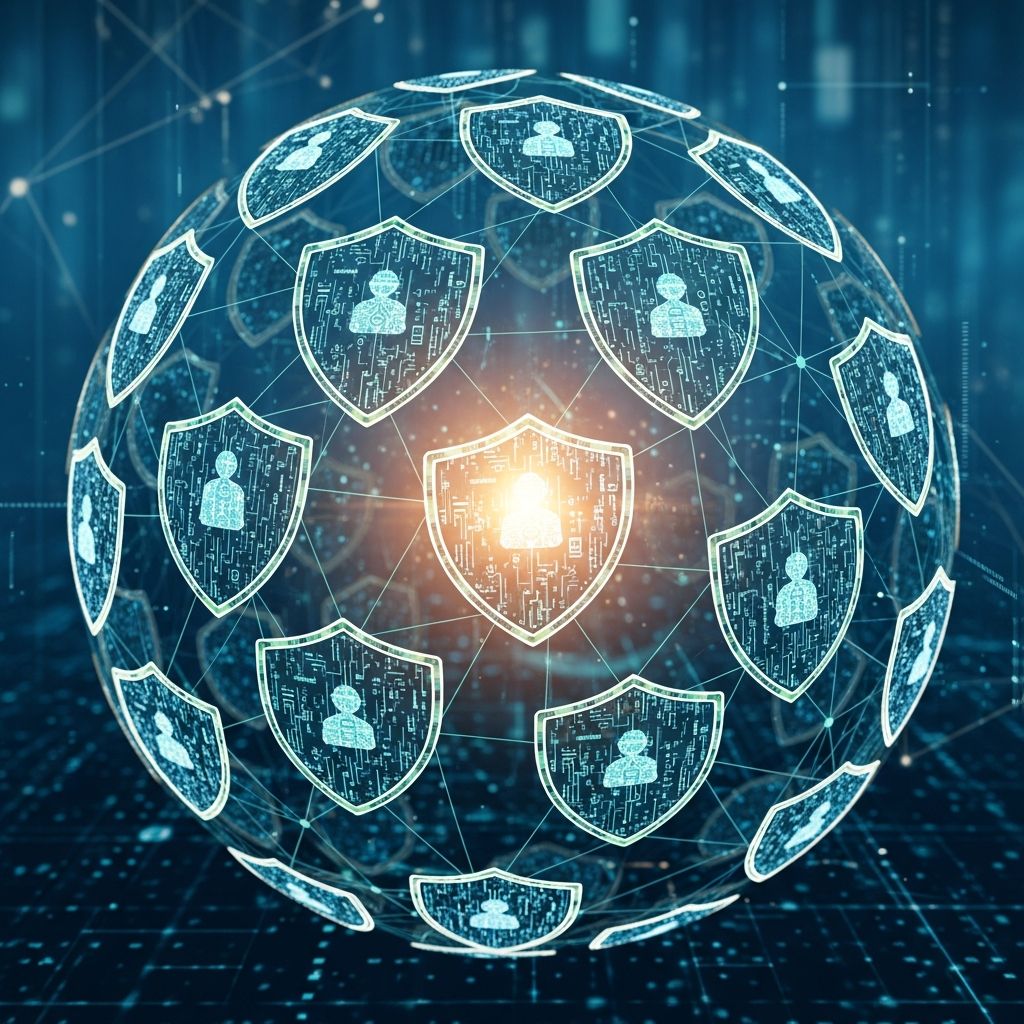
The Internet has transformed society, powering commerce, communication, and innovation on an unprecedented scale. Yet, this global network faces mounting challenges: sophisticated cyberattacks, data breaches, state-sponsored espionage, and widespread surveillance. These issues have eroded user confidence, prompting calls for robust defenses. Traditional top-down security measures often fall short in this decentralized ecosystem. Instead, a model of collective defense—where governments, businesses, technologists, and individuals collaborate—emerges as the most promising strategy. This approach recognizes that no single entity can safeguard the Internet alone, advocating for shared accountability while upholding fundamental rights and the network’s open architecture.
The Erosion of Digital Confidence
Over the past decade, high-profile incidents have highlighted the Internet’s vulnerabilities. From ransomware paralyzing hospitals to nation-state actors infiltrating critical infrastructure, threats have evolved in complexity and scale. According to recent reports, cyber incidents cost the global economy trillions annually, with small businesses and everyday users bearing disproportionate burdens. Surveillance revelations have further complicated matters, as bulk data collection by governments undermines privacy expectations.
Users now hesitate to engage online, stifling innovation. E-commerce stalls when trust falters; social movements falter under monitoring fears. The technical community, once optimistic, now grapples with preventive tools that prove insufficient against adaptive adversaries. This crisis demands a paradigm shift: from isolated fixes to holistic, inclusive strategies that rebuild faith in the digital realm.
Core Principles of Collective Defense
Effective Internet protection hinges on five interconnected principles, designed to align diverse stakeholders around common goals. These guidelines ensure solutions are practical, rights-respecting, and adaptable.
- Enhancing User Confidence and Opportunity: Security efforts must prioritize fostering assurance in online activities. Rather than fixating solely on threats, the focus should enable economic growth, education, and social connectivity. A confident Internet drives prosperity.
- Shared Accountability Across the Ecosystem: Every participant—from end-users to infrastructure providers—plays a role. Developers patch vulnerabilities; operators deploy best practices; policymakers craft enabling regulations. Collective action amplifies impact.
- Safeguarding Core Network Attributes and Rights: Defenses cannot compromise the Internet’s end-to-end design, openness, or interoperability. Solutions must embed privacy by design and respect freedoms of expression and association, as enshrined in international covenants.
- Iterative Development Through Broad Input: Security evolves via consensus among experts. Agile processes allow rapid response to emerging risks, drawing on global knowledge without rigid hierarchies.
- Global Vision with Localized Execution: While threats transcend borders, solutions thrive through voluntary, community-driven initiatives. Bottom-up efforts scale effectively, tailored to regional contexts.
Why Single-Actor Approaches Fail
Governments possess authority but lack technical granularity. Private firms innovate swiftly yet prioritize profits over universal good. Users demand protection but often lack resources. History shows unilateral actions—such as fragmented regulations or proprietary silos—fragment the network, creating new weaknesses. For instance, incompatible national firewalls hinder global commerce, while isolated corporate defenses leave supply chains exposed.
Contrast this with collaborative successes. During the WannaCry outbreak, diverse groups shared indicators of compromise, mitigating spread rapidly. Such examples underscore that integrated efforts outperform siloed ones, pooling resources for superior outcomes.
Real-World Implementations and Success Stories
Collaborative models are gaining traction worldwide. The National Security Agency’s Cybersecurity Collaboration Center facilitates intel-sharing among public and private sectors, scaling defenses through partnerships.1 Similarly, EDUCAUSE initiatives in higher education promote dialogue across units, cultivating shared cybersecurity cultures.2
In Europe, the ENISA framework encourages multistakeholder exercises, simulating attacks to refine responses. Asia-Pacific forums like APNIC bolster operator skills through joint training. These efforts demonstrate tangible benefits: reduced incident response times, enhanced threat intelligence, and stronger resilience.
| Approach | Key Features | Outcomes |
|---|---|---|
| Government-Led | Policy mandates, funding | Standardization but slow adaptation |
| Industry Coalitions | Tech sharing, R&D | Innovation, but profit-driven |
| Multistakeholder | Consensus, inclusivity | Balanced, scalable resilience |
This table illustrates why hybrid models excel, combining strengths while mitigating weaknesses.
Navigating Challenges in Collaboration
Despite promise, hurdles persist. Trust deficits among parties slow information exchange; competitive dynamics discourage vulnerability disclosures. Legal barriers, like data protection laws, complicate cross-border sharing. Overcoming these requires standardized protocols for anonymized intel and clear governance.
Capacity gaps in developing regions exacerbate inequities—affluent nations advance while others lag. Bridging this demands investment in training and open-source tools, ensuring equitable participation.
Policy Recommendations for Stakeholders
Governments should incentivize participation via tax breaks for security investments and harmonize regulations to ease global flows. Businesses can lead by adopting frameworks like NIST Cybersecurity or ISO 27001, contributing to public repositories. Civil society ensures accountability, auditing for rights compliance. Technologists innovate protocols like encrypted DNS, preserving openness.
International bodies, such as the UN’s Group of Governmental Experts, provide forums for norm-building, emphasizing non-proliferation of cyber weapons.
Future Directions: Toward a Resilient Internet
Looking ahead, emerging technologies like AI-driven threat detection and quantum-resistant encryption will test collaborative frameworks. Quantum threats, for instance, necessitate global standards to protect legacy systems. Initiatives like the World Economic Forum’s cybercrime disruption efforts highlight intelligence-sharing’s role.3
By 2030, projections suggest 90% of enterprises will face breaches unless collaboration intensifies. Proactive multistakeholderism can avert this, securing an Internet for billions more users.
Frequently Asked Questions
What is collective Internet defense?
It’s a strategy where all Internet users and operators share responsibility for security, emphasizing collaboration over isolation.
How does it differ from traditional cybersecurity?
Unlike siloed efforts, it integrates diverse inputs, respects human rights, and focuses on preserving the Internet’s innovative potential.
Can small organizations participate?
Yes—through forums, shared tools, and local groups, even modest contributors amplify collective strength.
What role do human rights play?
They form the bedrock, ensuring security enhancements don’t enable censorship or mass surveillance.
Is this approach scalable globally?
Absolutely, via bottom-up models that adapt to local needs while aligning on global principles.
References
- NSA Cybersecurity Collaboration Center — National Security Agency. 2024-05-01. https://www.nsa.gov/About/Cybersecurity-Collaboration-Center/
- The Power of Collaborative Cybersecurity — EDUCAUSE Review. 2026-01-15. https://er.educause.edu/podcasts/educause-shop-talk/2026/the-power-of-collaborative-cybersecurity
- Why collaboration is key to disrupting the economics of cybercrime — World Economic Forum. 2025-01-10. https://www.weforum.org/stories/2025/01/global-collaboration-key-tackling-cybercrime/
- Toward a Collaborative Cyber Defense and Enhanced Threat Intelligence Structure — Belfer Center for Science and International Affairs, Harvard Kennedy School. 2023-11-20. https://www.belfercenter.org/publication/toward-collaborative-cyber-defense-and-enhanced-threat-intelligence-structure
Word count: 1678 (excluding metadata, references, and HTML tags)
Similar Articles







Read full bio of medha deb