Bridging the Gender Gap in Philippine Internet Access
Exploring the persistent gender digital divide in the Philippines and actionable strategies to empower women through equitable online access.
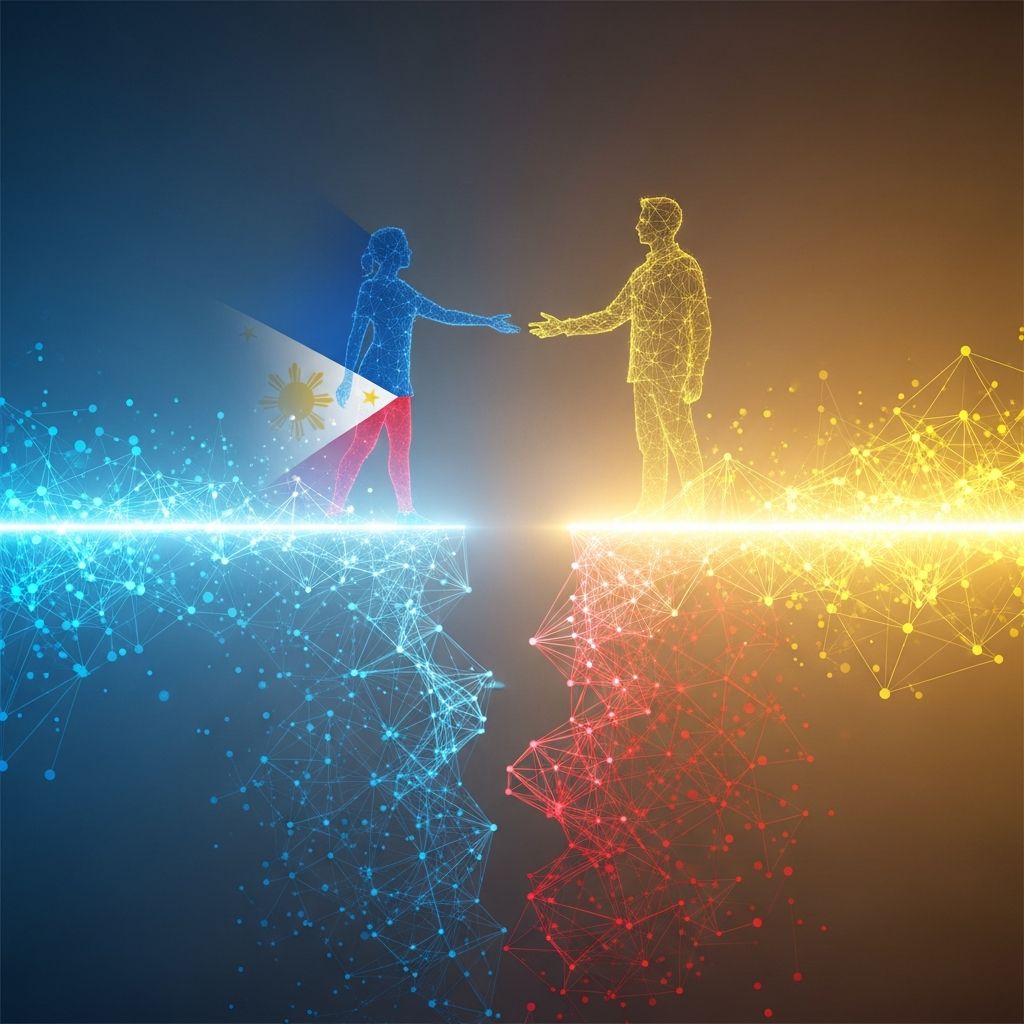
The rapid expansion of internet infrastructure in the Philippines has transformed daily life, commerce, and governance. Yet, beneath this progress lies a stark reality: women lag significantly behind men in digital engagement. This disparity, often termed the gender digital divide, undermines efforts toward equitable development and limits women’s potential in an increasingly connected world. Drawing from national discussions and empirical studies, this article examines the roots of this divide, its far-reaching consequences, and practical pathways to inclusion.
Understanding the Scope of Digital Disparities
In the Philippines, internet penetration has surged, with over 70% of the population online as of recent reports. However, usage patterns reveal deep gender imbalances. Women, particularly in vulnerable groups, face multifaceted barriers that restrict their online presence. A Google study pinpointed time scarcity, skill deficiencies, and financial hurdles as primary obstacles, echoing findings from broader regional analyses.
Urban women in cities like Manila show narrowing gaps where education levels are higher, but rural and marginalized communities tell a different story. Indigenous women, those with disabilities, informal workers, and urban poor households exemplify those furthest from connectivity. These groups not only lack access but also the confidence and knowledge to leverage digital tools effectively.
- Time Constraints: Balancing unpaid care work and livelihoods leaves little room for learning or browsing.
- Skill Gaps: Many women report discomfort with devices due to inadequate training.
- Economic Barriers: Lower incomes mean prioritizing essentials over data plans.
- Cultural Norms: Societal expectations often discourage women’s public tech use.
Global and Local Contexts Shaping the Divide
The Philippines’ challenges align with global trends outlined in Sustainable Development Goal 5, which emphasizes harnessing ICT for women’s empowerment. The Web Foundation’s research across developing cities, including Manila, indicates that while access gaps close with education, active use remains gendered—women are less likely to seek jobs or voice opinions online.
Locally, the 2015 Internet Rights Declaration by the Foundation for Media Alternatives underscores gender equality as a cornerstone. It mandates equal rights to shape the internet, redress inequalities, and combat tech-enabled violence. These principles highlight the internet’s dual role: a tool for liberation or a reinforcer of patriarchy.
| Group | Male Usage (%) | Female Usage (%) | Key Barrier |
|---|---|---|---|
| Urban Educated | 85 | 78 | Minimal |
| Rural Women | 62 | 45 | Infrastructure |
| Informal Sector | 70 | 52 | Skills |
| Indigenous Communities | 40 | 25 | Cultural/Access |
Data adapted from Web Foundation and national consultations (2015-2022).
Real-World Impacts on Women’s Lives
The divide exacts tangible costs. Offline women miss e-commerce opportunities, telehealth services, and online education—critical during the COVID-19 era. Political participation suffers too; a PMC study on Filipino youth shows digitally savvy women engage more in gender-issue advocacy on social media, yet many remain sidelined.
Violence in digital spaces compounds isolation. Gender-based cyber harms, from harassment to non-consensual sharing, deter engagement. Without skills to protect themselves or report incidents, women retreat further. Stories from consultations reveal women in coin shops or sari-sari stores as potential gateways—if equipped with training to teach others.
Innovative Initiatives to Foster Inclusion
Government efforts like Tech4Ed, paired with free Wi-Fi rollouts, target women, youth, and seniors with hands-on digital training. Community networks, advocated in the Internet Rights Declaration, promote local ownership of infrastructure, reducing costs and building relevance.
Non-profits push for barangay-level budgets dedicated to women’s digital workshops. Flexible models, such as training female entrepreneurs who resell mobile credits, create ripple effects. These ‘train-the-trainer’ approaches respect time constraints while amplifying reach.
- Targeted Connectivity: Subsidize devices and data for low-income women.
- Customized Literacy: Programs focusing on practical uses like health apps and financial tools.
- Safety Measures: Integrate cyber safety in all training.
- Policy Advocacy: Mandate gender audits in national broadband plans.
Policy Recommendations for Systemic Change
To institutionalize progress, policies must evolve. Allocate spectra for community networks, enforce gender-disaggregated data in connectivity metrics, and fund research on intersectional barriers (e.g., disability + gender). Drawing from World Bank insights on Sub-Saharan Africa, early STEM integration in girls’ education yields long-term gains.
Public-private partnerships can scale successes. Telecom firms offering women-specific data bundles, alongside NGOs providing content in local languages, bridge cultural gaps. Monitoring via SDG indicators ensures accountability.
Measuring Progress and Future Outlook
Success metrics should track not just penetration but usage depth: daily engagement, skill acquisition, and empowerment outcomes. Recent youth studies suggest growing female political savvy online, hinting at momentum. Yet, sustained investment is key to prevent regression amid economic pressures.
By 2030, the Philippines could lead Southeast Asia in gender-digital parity if consultations translate to action. Empowering women online promises broader societal gains: reduced poverty, vibrant democracies, and innovative economies.
Frequently Asked Questions (FAQs)
What causes the gender digital divide in the Philippines?
Primary factors include limited time due to caregiving, lack of digital skills, affordability issues, and cultural barriers restricting women’s tech adoption.
How does the internet help empower Filipino women?
It provides access to education, jobs, health info, and advocacy platforms, enabling economic independence and social change.
What government programs address this issue?
Tech4Ed and free Wi-Fi initiatives offer training tailored to women, out-of-school youth, and marginalized groups.
Can community efforts close the gap?
Yes, local networks and train-the-trainer models empower women as digital leaders in their communities.
Is the divide improving over time?
Progress is evident in urban areas with better education, but rural and vulnerable groups need accelerated interventions.
References
- The 2015 Declaration — Foundation for Media Alternatives. 2015. https://fma.ph/the-declaration/
- Women’s Rights Online: Translating Access into Empowerment — World Wide Web Foundation. 2015-10-21. https://webfoundation.org/docs/2015/10/womens-rights-online21102015.pdf
- Savvy and woke: Gender, digital profile, social media competence — National Center for Biotechnology Information (PMC). 2022. https://pmc.ncbi.nlm.nih.gov/articles/PMC9366001/
- Formulating Policies to Address the Gender Digital Skills Divide in SSA — World Bank. 2025-02-14. https://thedocs.worldbank.org/en/doc/a607bb6e3b76d2be0f3db8db34dcf73e-0140022025/related/8EDU-WP-17-Formulating-policies-to-address-the-gender-digital-skills-divide-in-SSA.pdf
- National Consultation Highlights Gender Digital Divide — Internet Society. 2015-12. https://www.internetsociety.org/blog/2015/12/national-consultation-highlights-gender-digital-divide-in-the-philippines/
Similar Articles





Read full bio of Sneha Tete