Bridging the Digital Divide for Indigenous Nations
Empowering Indigenous communities through sustainable connectivity solutions

Bridging the Digital Divide for Indigenous Nations: Community-Led Solutions and Sustainable Connectivity
The digital landscape in North America reveals a stark reality: while technology advances at a rapid pace in urban centers, millions of people in rural and remote regions remain disconnected from the Internet. This disparity is particularly acute for Indigenous communities, where geographic isolation, limited infrastructure investment, and systemic inequities have created substantial barriers to meaningful digital participation. Yet within these challenges lies a remarkable story of resilience and innovation as Indigenous nations take matters into their own hands, building and controlling their own connectivity infrastructure.
Understanding the Connectivity Challenge in Indigenous Territories
The absence of reliable Internet access in Indigenous communities represents more than an inconvenience—it constitutes a fundamental barrier to opportunity. High-speed broadband has become essential for accessing education, healthcare services, economic opportunities, and cultural preservation. When Indigenous communities lack connectivity, they face compounding disadvantages that extend far beyond digital access. The inability to participate in the online economy limits job prospects, while distance from digital health services can mean delayed medical care in emergencies. Educational opportunities diminish when students cannot access online resources, and the transmission of cultural knowledge becomes increasingly difficult in an increasingly digitized world.
The causes of this digital divide are multifaceted. Telecommunications companies often view rural and remote Indigenous territories as unprofitable markets, declining to invest in infrastructure development. Geographic challenges—rugged terrain, vast distances between settlements, and harsh climate conditions—make infrastructure deployment expensive and technically complex. Limited financial resources within communities restrict their ability to fund connectivity projects independently. Additionally, many Indigenous communities lack legal control over the spectrum frequencies necessary to establish wireless networks, creating regulatory barriers that prevent self-determined solutions.
The Catalyst for Change: Organized Mobilization and Knowledge Sharing
Recognition of the connectivity crisis has sparked significant organizing efforts across Indigenous territories. Community leaders, technologists, and advocates have come together to share experiences, exchange technical knowledge, and coordinate advocacy strategies. Large-scale gatherings have emerged as crucial platforms for this work, bringing together representatives from diverse Indigenous nations to discuss their unique circumstances while identifying common solutions. These convenings serve multiple purposes: they validate that connectivity challenges are systemic rather than individual failures, they facilitate peer-to-peer learning about successful strategies, and they build political power for collective advocacy.
Through these collaborative platforms, Indigenous communities have documented their experiences, identified best practices, and developed concrete recommendations for policy makers. The collective intelligence generated through these discussions has proven invaluable, as communities learn from one another’s successes and failures. A community that successfully negotiated spectrum access shares its approach with others facing similar barriers. A nation that built and maintains its own network infrastructure becomes a mentor to communities undertaking similar projects. This knowledge economy strengthens the entire movement for Indigenous digital sovereignty.
Indigenous-Led Infrastructure Development: Taking Control of Digital Futures
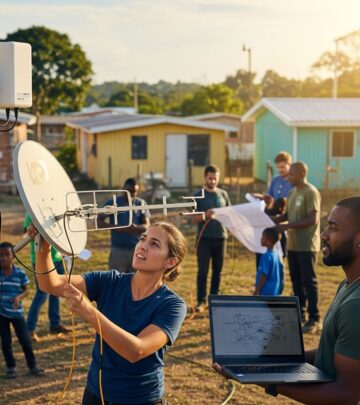
Rather than waiting for external entities to solve their connectivity challenges, Indigenous communities across North America are directly building Internet infrastructure. This represents a fundamental shift in approach—from passive recipients of service to active creators of their own digital infrastructure. Communities are physically installing fiber optic cables through difficult terrain, erecting wireless transmission towers in remote locations, and establishing the network systems that large telecommunications providers refused to develop.
These grassroots infrastructure projects embody principles of Indigenous self-determination and sovereignty. By building their own networks, communities maintain control over their digital futures, make decisions aligned with local values and priorities, and ensure that connectivity serves community interests rather than external profit motives. The economic benefits of network ownership also remain within the community, potentially generating revenue that can support other development priorities.
Technical Capacity and Specialized Knowledge
Successfully building and maintaining Internet infrastructure requires specialized technical knowledge that many communities do not initially possess. This skills gap represents a critical challenge that must be addressed through deliberate capacity-building initiatives. Communities need training in network design, equipment installation, system administration, cybersecurity, and troubleshooting. Without ongoing technical support and knowledge development, infrastructure projects may falter or fail to achieve their full potential.
Effective capacity-building programs combine formal training with hands-on experience and ongoing mentorship. Community members receive technical education through workshops and certification programs, then apply this knowledge directly to their community’s infrastructure projects. Partnerships with experienced network operators provide ongoing technical support and guidance. Over time, communities develop internal expertise that enables them to independently manage and expand their infrastructure without relying on external technical consultants.
Policy Advocacy and Systemic Barriers
While grassroots infrastructure projects address immediate connectivity needs, addressing systemic barriers requires policy change at regional, national, and sometimes international levels. Indigenous communities are actively advocating for policy reforms that support their connectivity goals and recognize their rights to digital self-determination.
Spectrum Rights and Radio Frequency Access
Radio spectrum frequencies represent a crucial resource for wireless Internet transmission. However, regulatory frameworks often restrict Indigenous communities’ access to spectrum, reserving frequencies for commercial telecommunications companies or government use. Indigenous advocates argue for policy changes that grant communities dedicated spectrum allocations and simplified processes for obtaining spectrum access. This would enable communities to establish their own wireless networks without regulatory barriers.
Funding Mechanisms and Financial Support
Sustainable infrastructure requires adequate funding for initial construction, ongoing maintenance, equipment replacement, and staff training. Communities advocate for funding programs specifically designed to support Indigenous connectivity projects, with application processes that acknowledge the unique circumstances of Indigenous nations. Federal and regional governments in Canada and the United States increasingly recognize that supporting Indigenous connectivity generates significant returns in health outcomes, educational achievement, and economic development. Grant programs tailored to Indigenous communities—with straightforward application processes, reasonable reporting requirements, and multi-year funding commitments—can meaningfully advance connectivity efforts.
Mapping and Needs Assessment
Accurate mapping of existing connectivity infrastructure and unmet needs forms the foundation for strategic planning. Yet many Indigenous territories lack comprehensive digital infrastructure maps, making it difficult to identify priority areas for investment or to plan network expansion strategically. Policy advocates call for government support for rigorous mapping projects that document current connectivity status and identify areas most critically needing infrastructure development. Community-led mapping processes that center Indigenous knowledge and priorities can ensure that assessment efforts align with community needs.
The Multi-Dimensional Benefits of Connectivity
When Indigenous communities gain access to reliable, high-speed Internet, the benefits extend far beyond digital technology itself. Connectivity enables profound improvements across multiple dimensions of community life.
| Benefit Area | Description | Community Examples |
|---|---|---|
| Education | Students access online learning resources, distance education programs, and university-level coursework. Teachers gain access to professional development and curriculum materials. | Remote schools can offer Advanced Placement courses and specialized subjects |
| Healthcare | Telemedicine services connect community members with distant specialists. Health information and resources become accessible. Health professionals can access clinical evidence and stay current with medical advances. | Communities can receive emergency consultations without requiring medical evacuation |
| Economic Development | Entrepreneurs can reach markets beyond geographic boundaries. Remote work opportunities become possible. E-commerce and digital platforms enable business creation. | Indigenous artists sell work directly to global markets. Tourism services expand through online booking platforms. |
| Cultural Preservation | Languages, oral histories, and traditional knowledge are documented and shared digitally. Community members worldwide can access cultural resources. Youth engagement with culture increases through digital mediums. | Indigenous language apps preserve endangered languages. Digital archives maintain traditional knowledge for future generations. |
| Community Resilience | Digital communication strengthens community bonds and coordination. Emergency response capabilities improve. Collective action for advocacy becomes more organized. | Communities organize mutual aid networks and emergency response systems |
Addressing Sustainability and Long-Term Viability
Building Internet infrastructure represents only the initial step; ensuring long-term sustainability requires ongoing attention to operations, maintenance, equipment replacement, and technology upgrades. Many Indigenous communities struggle with sustainable funding models that can support these ongoing costs without exhausting limited community resources.
Successful models often combine multiple revenue streams and support mechanisms. Grant funding provides seed capital for infrastructure construction. User fees generate operational revenue, though communities must balance affordability with cost recovery. Public funding from government sources recognizes connectivity as essential infrastructure worthy of sustained investment. Partnerships with non-profit organizations and technology companies can provide in-kind support, training, and technical expertise. Some communities develop social enterprises that generate revenue while serving community needs, directing profits toward network sustainability.
Collaborative Partnerships and Mutual Support
Indigenous communities increasingly recognize that collaborative approaches amplify their impact. Partnerships among Indigenous nations enable shared infrastructure investments, bulk purchasing of equipment, and pooled technical expertise. Collaborations with non-profit organizations, research institutions, and technology companies provide specialized knowledge and resources that individual communities might not access independently. However, these partnerships must be structured to honor Indigenous sovereignty and ensure that external partners support rather than direct community priorities.
Successful partnerships are characterized by genuine respect for Indigenous self-determination, transparent communication about roles and responsibilities, benefit-sharing arrangements that prioritize community interests, and mechanisms for communities to direct partnership activities. Rather than imposing external solutions, effective partners listen carefully to community priorities and adapt their support accordingly.
Emerging Models and Innovative Approaches
Communities across Indigenous territories are experimenting with creative connectivity solutions tailored to their specific circumstances. Satellite-based Internet service offers rapid deployment without requiring extensive ground infrastructure, though cost and limited bandwidth present challenges. Community mesh networks enable distributed ownership and control while providing local connectivity. Fiber optic cables laid along existing infrastructure corridors reduce installation costs. Hybrid approaches combining multiple technologies optimize cost and performance for particular geographic contexts.
Digital literacy and technology adoption programs ensure that connectivity infrastructure translates into meaningful community benefit. When community members understand how to use digital tools effectively and safely, they can fully participate in online opportunities. Programs that teach Internet safety, online privacy, digital communication skills, and technology troubleshooting address the human dimension of digital inclusion alongside physical infrastructure development.
Looking Forward: The Path Toward Digital Equity
The movement toward Indigenous connectivity represents far more than technical infrastructure development. It embodies Indigenous communities asserting their rights to self-determination, refusing to accept systemic exclusion from digital opportunities, and taking concrete action to shape their own futures. As these communities build their infrastructure, advocate for policy change, develop technical expertise, and share knowledge across borders, they model alternatives to extractive development patterns that have historically disadvantaged Indigenous peoples.
Achieving meaningful digital equity for Indigenous communities requires sustained commitment from multiple actors. Communities themselves must receive resources and support for infrastructure development and capacity building. Governments must reform policies that currently restrict Indigenous digital sovereignty and must invest in connectivity as essential infrastructure. Technology companies must recognize their responsibility to serve all populations, not just profitable markets. International organizations and non-profit entities should support Indigenous-led solutions rather than imposing external approaches.
The connectivity challenges facing Indigenous communities remain significant, but the demonstrated commitment, innovation, and determination of Indigenous leaders and community members provide reason for optimism. As these grassroots efforts scale, as policy environments evolve to support Indigenous digital sovereignty, and as capacity within communities continues to grow, Indigenous nations will increasingly control their own digital futures and access the opportunities that connectivity enables.
References
- Indigenous Connectivity: Overcoming Barriers to Internet Access — Internet Society Foundation. 2024-10-15. https://www.isocfoundation.org/2024/10/what-is-indigenous-connectivity-overcoming-barriers-to-internet-access/
- What is Indigenous Connectivity? And Why Should We All Care? — Internet Society. 2024-08-20. https://www.internetsociety.org/blog/2024/08/what-is-indigenous-connectivity-and-why-should-we-all-care/
- Connecting Indigenous Communities: An Urgent Call for Inclusivity, Ownership, and Affordability — Internet Society. 2020-12-10. https://www.internetsociety.org/blog/2020/12/connecting-indigenous-communities-an-urgent-call-for-inclusivity-ownership-and-affordability/
- Connecting Indigenous Communities — People-Centered Internet. 2018. https://peoplecentered.net/connecting-indigenous-communities/
- Indigenous Connectivity Institute — National Telecommunications and Information Administration. 2024. https://www.ntia.gov/sites/default/files/publications/indigenous_connectivity_institute_internet_society.pdf
- Resources: Indigenous Connectivity — Indigenous Connectivity Institute. 2024. https://indigenousconnectivity.org/resources/
Similar Articles







Read full bio of medha deb