Boosting Asia-Pacific Internet via IXP Partnerships
Exploring how new collaborations are enhancing Internet exchange points to deliver faster, more reliable connectivity across Asia-Pacific.
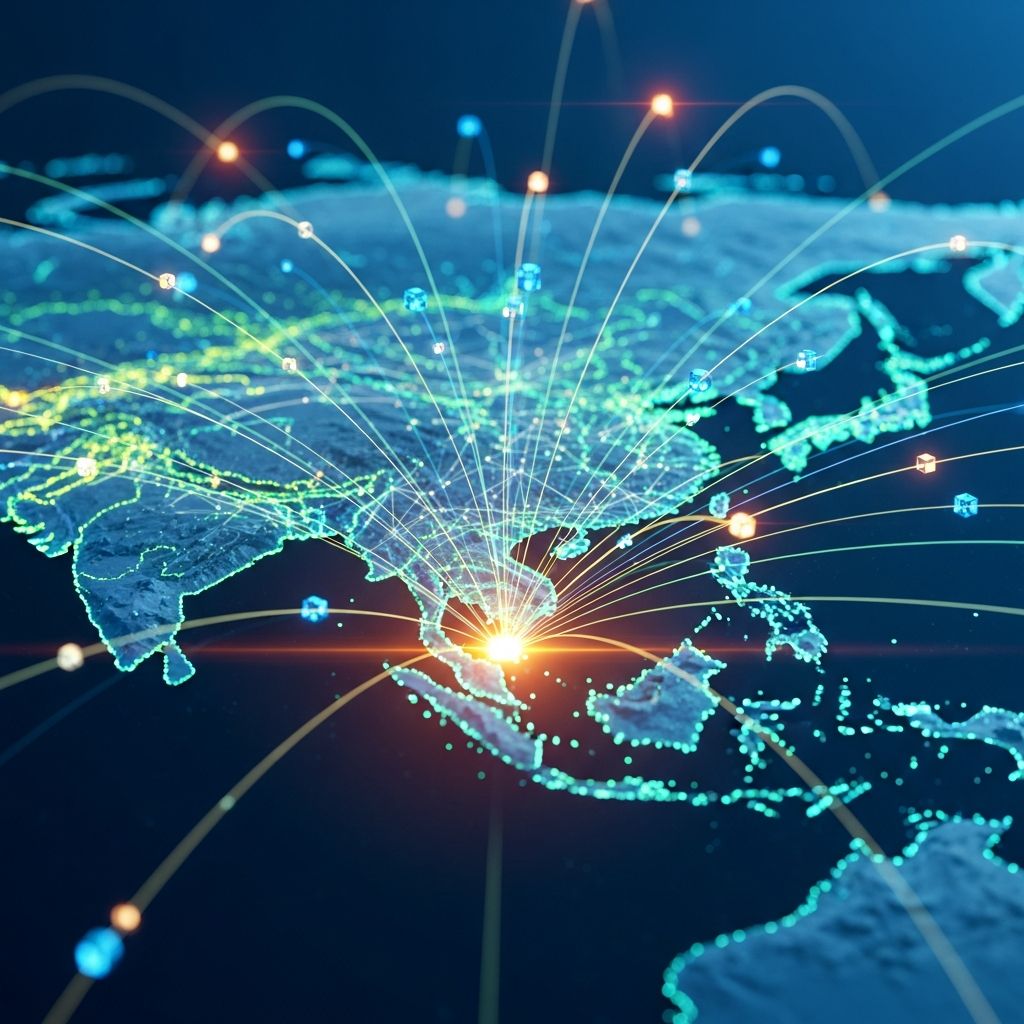
The Asia-Pacific region stands as one of the world’s most dynamic digital landscapes, home to billions of users who rely on seamless Internet access for work, education, entertainment, and beyond. At the heart of this connectivity revolution are Internet Exchange Points (IXPs)—critical hubs where networks interconnect to exchange traffic efficiently. A groundbreaking collaboration between leading digital advocacy groups is set to supercharge these facilities, paving the way for more resilient, cost-effective, and high-performance Internet infrastructure.
The Vital Role of IXPs in Regional Connectivity
IXPs function as neutral meeting grounds for diverse networks, including ISPs, content providers, and cloud services. By enabling direct peering, they minimize reliance on distant international routes, slashing latency, reducing costs, and enhancing overall user experience. In a region spanning vast distances from bustling megacities to remote islands, IXPs are indispensable for keeping traffic local and affordable.
Consider the economic impact: without IXPs, data often travels thousands of kilometers unnecessarily, inflating expenses and slowing speeds. Local exchanges counteract this by fostering domestic peering ecosystems. For instance, in densely populated areas like Southeast Asia, IXPs have dramatically lowered bandwidth prices while boosting speeds, making online services accessible to underserved populations.
- Latency Reduction: Direct connections cut round-trip times from hundreds of milliseconds to mere dozens.
- Cost Savings: Peering eliminates expensive transit fees, benefiting smaller providers.
- Resilience: Multiple interconnections create redundant pathways, vital during outages or disasters.
According to the Internet Society’s global IXP database, Asia-Pacific hosts over 140 such points as of recent counts, yet growth potential remains immense, especially in emerging markets like Indonesia, the Philippines, and Pacific Island nations.
Unveiling a Strategic Alliance for Digital Advancement
In a move to accelerate IXP proliferation and optimization, two prominent entities—the Internet Society and the Asia Pacific Internet Exchange Association (APIX)—have forged a formal pact. This alliance builds on prior joint efforts, such as a 2020 study examining pandemic effects on network operations, and commits both to a multifaceted agenda.
The partnership emphasizes tangible outcomes: from hardware upgrades for existing IXPs to nurturing newcomers in untapped areas. By pooling expertise, resources, and networks, the collaborators aim to create a ripple effect, empowering local stakeholders to build self-sustaining ecosystems.
| Partnership Focus Areas | Key Objectives |
|---|---|
| Infrastructure Enhancement | Funding and technical aid for equipment, capacity expansion, and remote site deployments. |
| Knowledge Exchange | Workshops, forums, and mentorship linking operators across borders. |
| Data-Driven Insights | Ongoing surveys on trends, challenges, and success metrics. |
This structured approach addresses longstanding barriers like limited funding, skill shortages, and regulatory hurdles, positioning Asia-Pacific for a connected future.
Empowering IXP Growth Through Hands-On Support
One cornerstone of the initiative is direct assistance for IXP development. Many regions lack mature exchanges, leading to fragmented networks and high costs. The alliance targets these gaps by providing grants, training, and procurement guidance.
For established IXPs, upgrades might include high-capacity switches or IPv6 enablement, ensuring scalability amid surging data demands from streaming, gaming, and remote work. New setups receive blueprints for low-cost launches, drawing from proven models like waiving initial port fees to attract early participants.
Success stories abound: In markets where IXPs took root, average peering traffic volumes have soared, with some hubs now handling terabits per second. This not only stabilizes pricing but also draws global players like hyperscalers, creating virtuous cycles of investment.
Fostering Communities of Network Innovators
Beyond hardware, the partnership prioritizes human capital. APIX, as a dedicated forum for IXP operators, complements the Internet Society’s global reach to host events that bridge novices and veterans.
These gatherings—virtual and in-person—cover topics from BGP best practices to multi-stakeholder engagement. By facilitating peer-to-peer learning, they demystify technical complexities and inspire replication. Imagine operators from Vietnam sharing rural deployment tactics with counterparts in Papua New Guinea, accelerating regional progress.
Community building extends to policy advocacy, urging governments to recognize IXPs’ value through favorable spectrum policies or tax incentives. This holistic strategy ensures sustainability long after initial support fades.
Harnessing Research for Informed Decision-Making
Evidence-based progress defines the alliance’s research pillar. Building on their COVID-19 impact analysis—which revealed how IXPs maintained uptime amid global disruptions—the partners will probe emerging issues like 5G integration, edge computing, and cybersecurity.
Future studies might quantify IXP contributions to GDP or disaster recovery, arming advocates with compelling data. Collaborative whitepapers will disseminate findings, influencing investments from development banks to private equity.
High-quality sources underscore IXPs’ proven efficacy. For example, the Internet Society’s 2021 report on Asia-Pacific peering strategies highlights how initial local focus yields exponential growth.1 Similarly, Euro-IX data affirms IXPs’ role in cutting Europe’s transit costs by up to 50%.2
Real-World Wins and Lessons from the Field
Across Asia-Pacific, IXPs have transformed connectivity. Singapore’s long-standing hub exemplifies maturity, interconnecting hundreds of networks. Emerging stars like those in Bangladesh and Mongolia demonstrate rapid scaling, with traffic multiplying tenfold in years.
Challenges persist: geopolitical tensions, power instability, and content localization debates test resilience. Yet, the partnership equips operators with tools—from solar backups to diplomatic toolkits—to prevail.
Looking ahead, integration with undersea cables and satellite constellations promises even greater reach, serving the region’s 4.7 billion inhabitants.
Navigating Challenges and Future Horizons
No initiative is without hurdles. Scaling IXPs demands navigating diverse regulations and funding climates. The alliance counters this via tailored roadmaps and international benchmarking.
By 2030, projections suggest Asia-Pacific could host 300+ IXPs, halving average latencies and unlocking e-commerce booms. This aligns with UN Sustainable Development Goals, bridging digital divides.
Frequently Asked Questions
What exactly is an IXP?
An Internet Exchange Point is a physical site where networks peer directly, optimizing traffic flow without third-party transit.
Why focus on Asia-Pacific?
The region’s explosive growth, uneven infrastructure, and disaster-prone geography make IXPs essential for equitable access.
How does this partnership benefit users?
Through lower costs, faster speeds, and reliable service, everyday activities like video calls and online learning improve markedly.
Can smaller countries participate?
Absolutely—targeted support prioritizes underserved areas with modular, affordable solutions.
What role does research play?
It identifies trends, validates strategies, and guides policy for sustained impact.
References
- Effective IXP Strategies for the Asia-Pacific — Internet Society. 2021-06. https://www.internetsociety.org/wp-content/uploads/2021/06/Internet-Peering-in-Asia-Pacific-EN.pdf
- Internet Exchange Points: What are they and why are they important? — Internet Society. 2023-05-15. https://www.internetsociety.org/resources/doc/2023/internet-exchange-points-what-are-they-and-why-are-they-important/
- APIX Asia-Pacific Internet Exchange Association — APIX. 2024. https://apix.asia/
- IXP Database — Internet Society. 2026-01 (updated). https://www.internetsociety.org/ixp-database/
- Measuring the Economic Value of Internet Exchange Points — OECD. 2022-09. https://www.oecd.org/sti/broadband/measuring-the-economic-value-of-internet-exchange-points.htm
This comprehensive effort signals a new era for Asia-Pacific’s Internet, where collaboration drives innovation and inclusion. (Word count: 1678)
Similar Articles







Read full bio of Sneha Tete