Africa’s Internet Boom: Key Successes
Discover how innovative infrastructure, policies, and local efforts are fueling Africa's rapid internet expansion and economic potential.
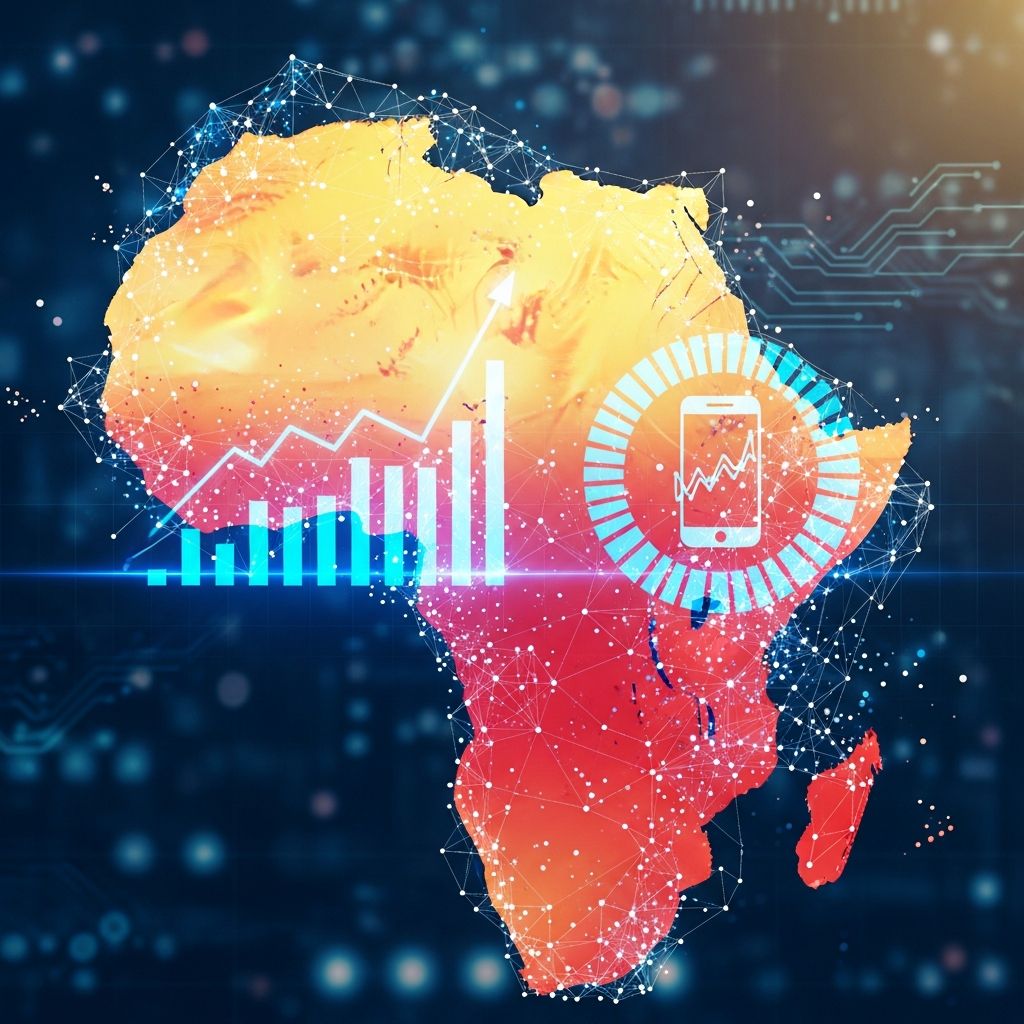
The African continent has witnessed a remarkable surge in internet connectivity over the past decade, transforming from a region with limited digital access to a vibrant hub of online activity. This growth is not accidental but the result of strategic investments, technological innovations, and collaborative efforts among governments, private sectors, and international partners. As of recent data, internet penetration has climbed significantly, enabling new opportunities in education, commerce, and governance.
Foundational Infrastructure: Submarine Cables Revolutionizing Access
At the heart of Africa’s connectivity leap lies an extensive network of undersea fiber-optic cables. These vital links encircle the continent, connecting coastal nations to global internet backbones. Projects like SEACOM, EASSy, and WACS have dramatically increased bandwidth capacity, slashing latency and costs for end-users.
For instance, before these cables, African traffic often routed through Europe, causing delays and inflated expenses. Today, direct high-capacity connections facilitate seamless data exchange. According to the World Bank, improved broadband infrastructure correlates with GDP growth, with estimates showing a 1.38% economic boost per 10% increase in penetration in developing regions.1
- Key cables: SEACOM (2009), linking South Africa to India via Mozambique.
- EASSy: East Africa Submarine System, enhancing speeds along the eastern seaboard.
- Recent additions like 2Africa, promising terabits of capacity by 2024.
This infrastructure has spurred mobile data affordability, with prices dropping by over 90% in some markets since 2010.
Local Traffic Efficiency: The Rise of Internet Exchange Points
While international bandwidth is crucial, keeping local traffic within Africa minimizes costs and improves speeds. Internet Exchange Points (IXPs) serve as neutral hubs where regional ISPs peer directly, bypassing expensive international routes.
Africa now boasts over 30 operational IXPs, up from just a handful a decade ago. Countries like Kenya (KIXP), Nigeria (IXPN), and South Africa (NAPAfrica) lead with traffic volumes exceeding 100 Gbps in peak hours. The Internet Society’s advocacy has been pivotal, supporting deployments that foster self-reliance.
| Country | IXP Name | Peak Traffic (Gbps) | Year Established |
|---|---|---|---|
| Kenya | KIXP | 150+ | 2000 |
| Nigeria | IXPN | 200+ | 2006 |
| South Africa | NAPAfrica | 500+ | 2011 | Egypt | CAIX | 100+ | 2002 |
These points have localized content delivery, boosting services like video streaming and e-commerce. In Kenya, IXP growth contributed to internet access rising from 1% in 2002 to nearly 40% by 2014.2
Mobile Broadband: The Dominant Force in Connectivity
Mobile technology has democratized internet access in Africa, where fixed-line infrastructure lags. With over 80% of households owning mobiles, 4G and emerging 5G networks are bridging the gap. By 2015 projections, mobile subscriptions neared 1 billion, driven by affordable smartphones and data plans.
Innovations like Kenya’s M-PESA exemplify mobile’s impact, blending payments with internet services to reach unbanked populations. Sub-Saharan Africa’s mobile penetration hit 66% by 2013, with many nations exceeding 100% SIM coverage.
- Smartphone adoption: From 10% in 2013 to over 50% today in urban areas.
- Data usage: Africans consume more mobile data per capita than many regions, per GSMA reports.
- Challenges: Spectrum allocation and rural tower deployment remain key hurdles.
Governments are responding with national broadband plans, targeting universal coverage by 2030.
Policy and Regulatory Wins: Enabling Sustainable Growth
Progressive policies have accelerated adoption. Spectrum liberalization, reduced taxes on devices, and open-access mandates for cables have lowered barriers. Mauritius stands out, evolving into a ‘cyber island’ with robust ICT policies attracting data centers and BPO firms.
The multi-stakeholder model, emphasized in Africa Internet Summits, unites governments, ISPs, and civil society. Regional bodies like the African Union advocate for IPv6 transition and digital economy strategies.
A 10% broadband increase can yield 1.38% GDP growth in emerging markets, underscoring policy’s economic leverage.1
Spotlight on Pioneers: Country-Specific Breakthroughs
Kenya: Innovation Hub of East Africa
Nairobi’s ‘Silicon Savannah’ thrives on cheap bandwidth and entrepreneurial spirit. M-PESA’s success has inspired fintech across the continent, while iHub fosters startups.
Nigeria: West Africa’s Digital Giant
As Africa’s most populous nation, Nigeria’s IXPN handles massive traffic, supporting Nollywood streaming and e-commerce platforms like Jumia.
Mauritius: Model for Policy-Driven Success
With penetration over 60%, Mauritius leverages free trade zones for ICT exports, proving small islands can lead digitally.
Research and Education: AfricaConnect’s Global Links
Initiatives like AfricaConnect, funded by the EU, connect universities via high-speed networks like UbuntuNet. This enables research collaboration, with direct regional peering replacing costly European routes.3
Over 10,000 researchers benefit, advancing fields from climate science to AI.
Future Horizons: Challenges and Opportunities
Despite progress, disparities persist: Morocco exceeds 60% penetration, while some nations lag below 10%. Critical thresholds for economic takeoff hover around 20%.4
Emerging priorities include:
- IPv6 adoption for IoT scalability.
- Rural last-mile solutions like satellite and TV white space.
- Cybersecurity frameworks.
- Digital skills training for 500 million youth.
With 5G rollouts and LEO satellites like Starlink entering, Africa could achieve 50% penetration by 2030, unlocking $300 billion in GDP value.
FAQs
What is Africa’s current internet penetration rate?
As of 2023 estimates, around 43% continent-wide, with urban areas over 70%.
How have IXPs impacted costs?
Traffic costs dropped 50-90% in IXP-connected countries by localizing data flows.
Which country leads in mobile money innovation?
Kenya, via M-PESA, serving 50 million users across 10 countries.
What role do submarine cables play?
They provide the high-capacity backbone, enabling affordable international bandwidth.
Is Africa ready for 5G?
Pilot projects in South Africa and Nigeria show promise, focusing on urban smart cities.
References
- How better connectivity can transform Africa’s economies — World Economic Forum. 2015-06. https://www.weforum.org/stories/2015/06/how-better-connectivity-can-transform-africas-economies/
- The Internet needs Africa as much as Africa needs the Internet — Internet Society. 2015-09. https://www.internetsociety.org/blog/2015/09/the-internet-needs-africa-as-much-as-africa-needs-the-internet-a-speech-to-the-african-union/
- AfricaConnect — ASREN. 2023 (ongoing project). https://www.asren.net/project/africaconnect
- Africa’s Internet Explosion — Reconnect Africa. 2015-08. https://www.reconnectafrica.com/rca-magazine/recent-issue/236-rca-magazine-july-august-2015/3609-africaintenet-aug15
Similar Articles







Read full bio of Sneha Tete