Advancing Internet Governance in East Africa
Exploring high-level workshops and multistakeholder efforts shaping Internet policies in Kampala and beyond for sustainable digital growth.

The rapid expansion of digital technologies across Africa has necessitated robust frameworks to manage the Internet’s evolution. In recent years, regional initiatives have played a crucial role in fostering discussions among governments, private sectors, civil society, and technical experts. A landmark event in this journey was a high-level workshop organized by the Internet Society in Kampala, Uganda, which brought together diverse stakeholders to address pressing Internet governance challenges. This gathering underscored the importance of collaborative approaches in building resilient digital infrastructures tailored to local needs while aligning with global standards.
The Rise of Regional Internet Forums
Internet governance in Africa has evolved significantly, transitioning from fragmented national efforts to cohesive regional platforms. Forums like the East African Internet Governance Forum (EAIGF) exemplify this shift, emphasizing the theme ‘Thinking Globally, Acting Locally.’ These events provide spaces for policymakers to engage with technical communities, ensuring that policies reflect both innovation and practical realities.
Key drivers include surging mobile penetration and broadband growth. According to official reports, Africa’s Internet ecosystem thrives on partnerships that create enabling environments for infrastructure development. Regional bodies such as AfriNIC, the Regional Internet Registry for Africa, have been instrumental in coordinating IP address allocations and promoting IPv6 adoption, which are foundational to scalable networks.
Multistakeholder Collaboration: A Cornerstone Approach
At the heart of modern Internet governance lies the multistakeholder model, defined by the Tunis Agenda as the shared development of principles, norms, and procedures by governments, private entities, and civil society. This model empowers diverse actors to contribute expertise, leading to balanced policies on issues like cybersecurity, data privacy, and affordability.
- Governments: Set regulatory frameworks and national strategies.
- Private Sector: Drives innovation in services and infrastructure.
- Civil Society: Advocates for user rights and inclusivity.
- Technical Community: Ensures standards compliance and resilience.
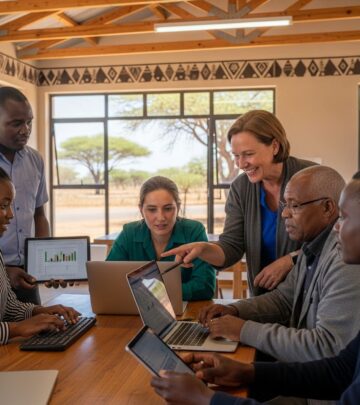
In Kampala’s workshops, this collaboration manifested through panel discussions and breakout sessions, where participants dissected how these roles intersect to tackle regional hurdles like spectrum management and digital divide.
Key Themes from Kampala Discussions
The workshop spotlighted several critical areas. Infrastructure emerged as a priority, with emphasis on submarine cable expansions and last-mile connectivity solutions. Participants explored how public-private partnerships could accelerate fiber optic deployments, vital for high-speed Internet access in underserved areas.
Cybersecurity took center stage amid rising threats. Experts highlighted the need for capacity-building programs to enhance national CERTs (Computer Emergency Response Teams) and foster cross-border incident response mechanisms.
| Theme | Challenges Discussed | Proposed Solutions |
|---|---|---|
| Infrastructure | High costs, rural gaps | PPPs, subsidies |
| Cybersecurity | Skill shortages, threats | Training, info sharing |
| Policy Harmonization | Divergent regulations | Regional frameworks |
| Inclusivity | Gender, youth gaps | Targeted programs |
Policy harmonization was another focal point, addressing discrepancies in data protection laws across East African states. Aligning with global benchmarks like GDPR principles could boost cross-border e-commerce and trust in digital services.
Impact on Uganda’s Digital Landscape
Uganda, as host, benefited immensely. The event aligned with national visions like the Digital Uganda Strategy, which aims for universal broadband by 2040. Local chapters of the Internet Society have since amplified these discussions through subsequent forums, such as the Uganda Internet Governance Forum (UIGF), building a community of practice.
Outcomes included commitments to IPv6 migration and enhanced government engagement via groups like the AfriNIC Government Working Group (AfGWG). These initiatives bridge policy and technical realms, ensuring sustainable growth.
Global Context and Lessons Learned
Kampala’s workshop contributed to broader narratives, including preparations for UN Sustainable Development Goals (SDGs) adoption in 2015. It mirrored global IGF processes, reinforcing Africa’s voice in international forums. Lessons from these events emphasize transparency, inclusivity, and evidence-based policymaking.
Challenges persist, such as funding constraints and geopolitical tensions, but successes in mobile money innovations demonstrate Africa’s potential to lead in adaptive governance models.
Future Directions for East African IGF
Building on 2015 momentum, subsequent EAIGFs have expanded, incorporating emerging topics like AI governance and 5G rollout. Recommendations include:
- Establishing permanent regional secretariats for continuity.
- Integrating youth and women through dedicated tracks.
- Leveraging data analytics for policy impact assessment.
These steps position East Africa as a hub for innovative governance, influencing continental efforts via AfIGF.
Case Studies: Success Stories
One highlight was the discussion on Kenya’s success with M-Pesa, illustrating how inclusive policies enable fintech revolutions. Similarly, Rwanda’s fiber backbone project was lauded for government-led investments yielding widespread access.
In Tanzania, regulatory reforms post-forum reduced mobile data costs by 40%, spurring adoption. These examples validate multistakeholder efficacy.
Challenges and Opportunities Ahead
Despite progress, issues like affordability and content localization remain. Opportunities abound in satellite tech and edge computing, promising to leapfrog traditional infrastructures.
Stakeholders must prioritize digital literacy to empower users, ensuring governance benefits all societal segments.
Frequently Asked Questions (FAQs)
What is Internet governance?
Internet governance involves collective efforts by various actors to shape the Internet’s development through shared norms and procedures.
Why is the multistakeholder model important?
It harnesses diverse expertise for holistic, sustainable policies addressing complex digital challenges.
How has Kampala contributed to regional IGFs?
As a host for key events, it has fostered dialogues leading to actionable policies and collaborations.
What role does AfriNIC play?
AfriNIC manages IP resources and supports capacity building for African Internet stability.
Are there ongoing events like the 2015 workshop?
Yes, annual UIGF and EAIGF continue building on these foundations.
Conclusion
The Kampala workshop marked a pivotal moment in East Africa’s Internet governance journey, promoting multistakeholder synergy for an inclusive digital future. By addressing infrastructure, security, and policy gaps, these efforts pave the way for economic transformation and global connectivity. Continued commitment will ensure the Internet remains a force for good across the region.
References
- Internet Development and Internet Governance in Africa — Internet Society. 2015-07-08. https://www.internetsociety.org/wp-content/uploads/2017/08/InternetInAfrica-2015070820Final.pdf
- Internet Governance Online Course — Internet Society. Accessed 2026. https://www.internetsociety.org/learning/internet-governance/
- East African Internet Governance Forum 2015 — Digital Watch Observatory. 2015. https://dig.watch/event/east-african-internet-governance-forum-2015
- Past UIGF Events — Uganda Internet Governance Forum. Accessed 2026. https://uigf.ug/past-uigf-events/
- The African Internet Governance Forum – AfIGF 2016 — Internet Governance Forum. 2016. https://www.intgovforum.org/ar/filedepot_download/3568/191
Similar Articles







Read full bio of Sneha Tete